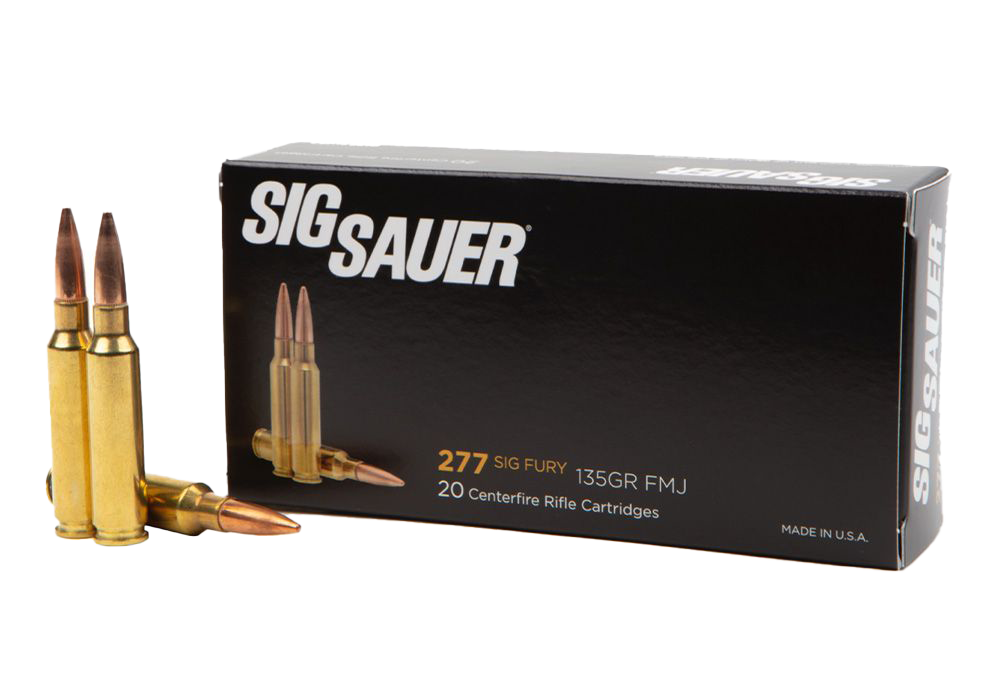
The term .277 bullets refers to rifle projectiles with a nominal diameter of .277 inch, or approximately 7.04 millimeters. This diameter is associated with .270-caliber and certain 6.8 mm rifle cartridge families, with applications ranging from recreational target shooting to medium- and large-game hunting. The distinction between a bullet and a complete cartridge matters when browsing this category: a bullet is the projectile, while a loaded cartridge also contains a case, primer, and propellant. Component projectiles and complete ammunition serve different purchasing needs, so the product description should clearly identify which format is being considered. Across the broader .277 bullet category, projectile weights can range from approximately 85 to 175 grains, with 130- to 150-grain weights familiar to many hunters. The grain figure describes the weight of the projectile, not the amount of propellant in a cartridge. Weight alone, however, does not establish suitability for a particular rifle or cartridge. Bullet diameter, projectile length, construction, and the firearm manufacturer’s specifications all affect compatibility. Two cartridges can use the same bullet diameter yet differ substantially in their dimensions and firearm requirements. Likewise, a .270 or 6.8 mm designation is not enough to establish that ammunition is appropriate for a particular chamber. For complete ammunition, the full cartridge designation must match the firearm’s specified chambering; for component bullets, suitability requires the relevant manufacturer documentation and authoritative published information. These distinctions help explain why .277 bullets encompass more than a single style of rifle use. A hunter preparing for a deer hunt, a recreational shooter spending an afternoon on paper targets, and an experienced handloader selecting components may all browse this diameter, but their priorities will differ. Clear specifications make those differences easier to recognize without assuming that every projectile of the same diameter serves the same purpose.
Materials and construction give .277 bullets much of their character. Traditional jacketed designs commonly combine a lead core with a copper-alloy jacket, while monolithic designs use a solid copper or copper-alloy body. Some projectiles incorporate a polymer tip, an exposed soft point, or a hollow-point profile, and each design should be understood through its stated application rather than appearance alone. A hollow point, for example, does not automatically identify a hunting bullet; certain target projectiles use an open-tip construction for manufacturing consistency rather than controlled expansion. Hunting bullets are generally evaluated for their intended expansion and penetration characteristics, while target bullets emphasize consistency and precision on suitable targets. Bonded construction joins the core and jacket to help resist separation, whereas other designs use different structural features to manage how the projectile behaves on impact. No single construction is best for every application, and a bullet intended for small varmints should not be assumed suitable for larger game simply because its diameter matches. For deer, pronghorn, or elk hunting, the manufacturer’s stated game recommendations provide more meaningful context than an aggressive-looking tip or a broad performance claim. Applicable hunting regulations also matter, including any restrictions on lead-containing projectiles or requirements governing ammunition type. Profile is another visible distinction within the category. Flat-base and boat-tail shapes describe the rear of the projectile, while the nose can vary in length and contour. Ballistic coefficient is a comparative description of aerodynamic efficiency, not a guarantee of accuracy from a particular rifle. Consistent performance depends on the complete firearm-and-ammunition combination, and a specification on a package cannot replace the manufacturer’s compatibility guidance. For shoppers comparing similar listings, useful details include bullet diameter, weight, construction, intended application, package quantity, and whether the listing contains components or loaded cartridges. Those facts offer a more dependable basis for comparison than treating a heavier weight, sharper tip, or longer profile as an automatic upgrade.
Fit, condition, and care remain important after the initial selection. Precision projectiles rely on consistent dimensions and intact surfaces, so packaging is more than a way to keep quantities organized. Original boxes and clearly labeled containers help preserve identification, separate different weights or constructions, and protect exposed tips and jackets from unnecessary handling. A polymer tip that appears crushed, a visibly distorted jacket, or corrosion on a component deserves attention rather than an assumption that the condition is merely cosmetic. Questionable ammunition or components should be set aside for guidance from the manufacturer, not cleaned aggressively, altered, or returned to use through improvised repairs. Storage should follow the manufacturer’s recommendations, with ammunition and components protected from moisture, corrosive chemicals, and unauthorized access. Secure storage separate from firearms is especially important in households where children or visitors may be present. Loose, unlabeled projectiles can be difficult to identify reliably, even when their appearance seems familiar; keeping the original specifications with the contents helps prevent confusion later. Durability also has limits. Copper-alloy jackets and solid-metal construction do not eliminate the need for careful handling, and an intact exterior does not establish that a complete cartridge is suitable for a particular firearm. For regular range users, clear labeling and consistent organization support a more orderly shooting routine. For hunters, the same attention helps distinguish practice ammunition from ammunition selected for a lawful hunt, without relying on memory or tip color alone. Component bullets are most relevant to experienced handloaders who already work within established safety practices, while complete cartridges meet a different need for owners seeking ammunition appropriate to their firearm. A gift purchase warrants that same specificity: an exact, verified cartridge designation and an understanding of the recipient’s intended use are more useful than a general caliber preference. Related browsing includes 308 Rounds, a separate rifle-ammunition category rather than an interchangeable substitute. Throughout the .277 category, accurate identification, appropriate construction, and sound storage practices remain the foundations of a well-informed purchase.