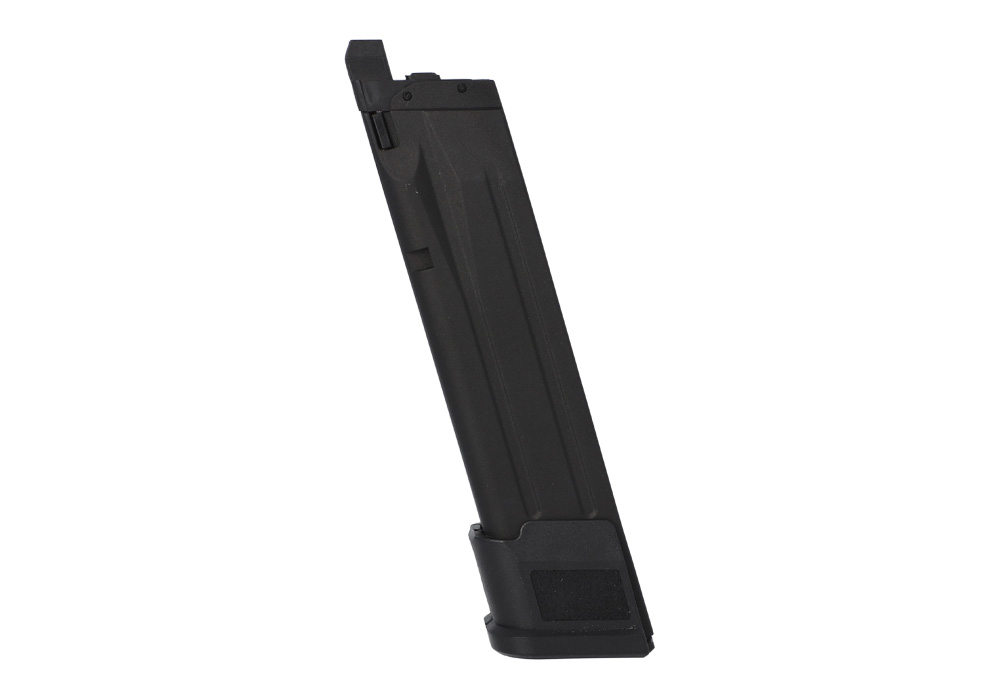
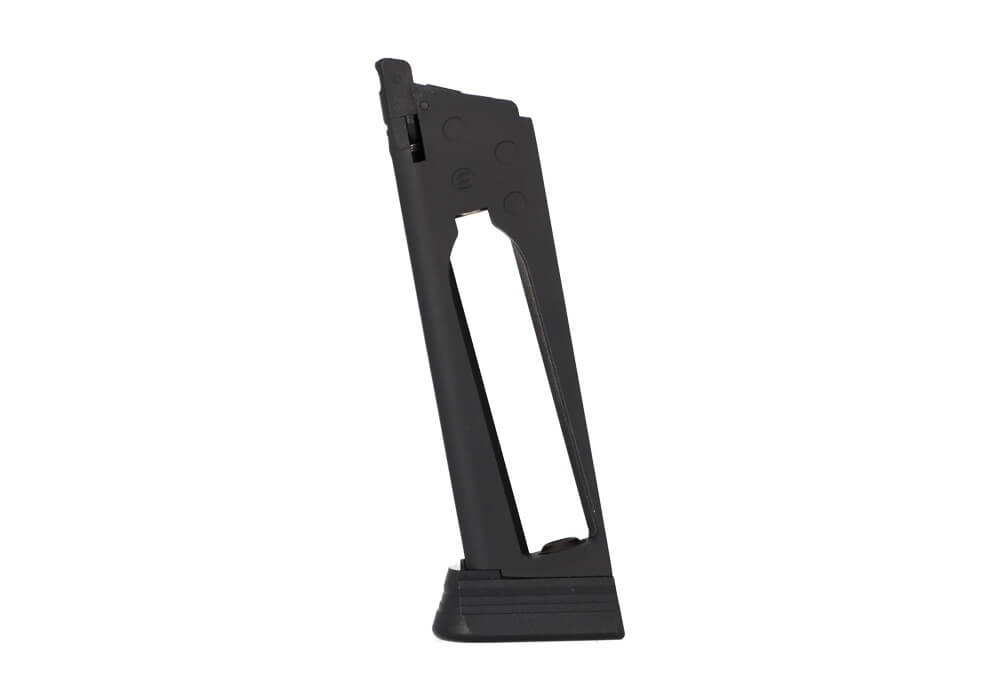
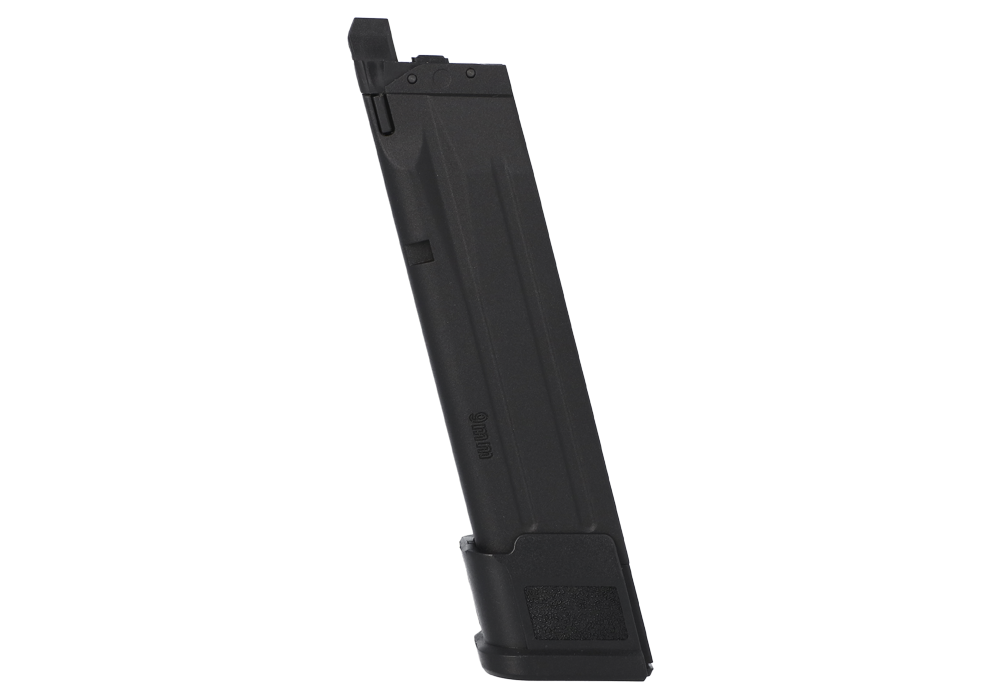
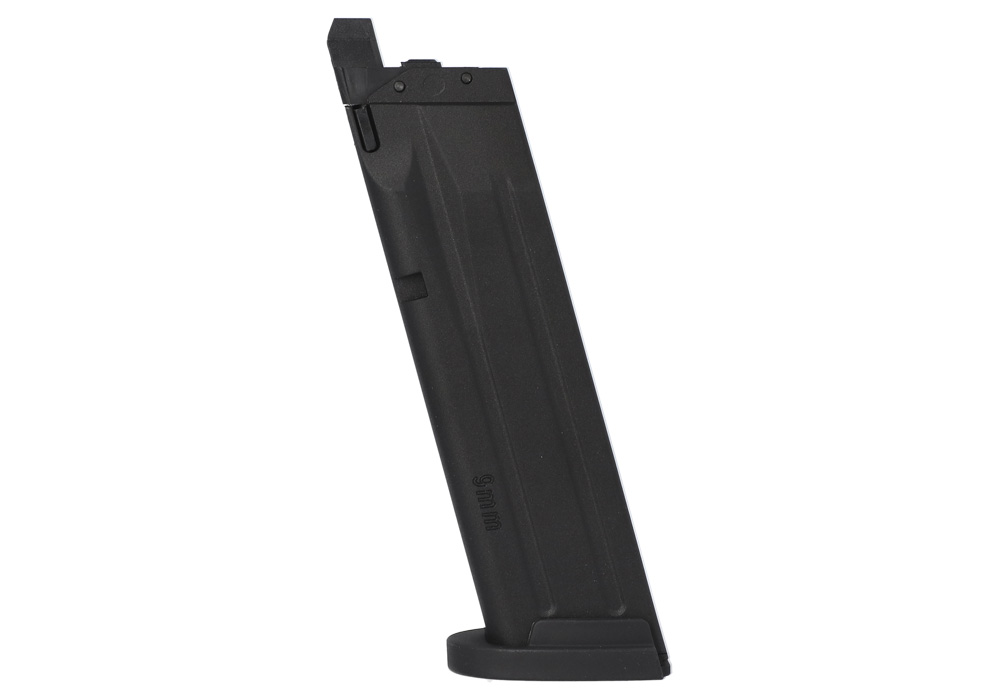
BB gun replacement magazines provide a model-specific connection between an airgun and its ammunition, making proper fit the starting point for dependable use. Two magazines can look nearly identical while differing in their feed openings, retaining notches, seals, or overall dimensions. A close visual match is not enough: the airgun’s exact model, caliber, and magazine designation all matter, and different versions within the same product family may use different components. BB magazines also belong to a distinct category from pellet magazines and airsoft magazines, even when the airguns themselves share a similar outline. The ammunition type and dimensions specified by the manufacturer should match the magazine as well as the airgun. Within the BB category, designs range from slender units that hold ammunition alone to larger assemblies that also house a CO2 cartridge. That distinction affects the magazine’s weight, construction, and maintenance requirements. An ammunition-only magazine may be a relatively simple component, while a magazine with an integrated gas system can include valves, seals, and other parts that need particular attention. For recreational target shooters, a correctly matched replacement can restore the function of an airgun whose original magazine has become worn or damaged. For owners who enjoy longer sessions at an approved shooting area, an additional magazine can reduce interruptions between strings of shots. Neither purpose changes the importance of compatibility. The magazine should seat, retain, and release as intended without being forced or altered. Specifications describing BB count, gas compatibility, and supported airgun versions are more useful than appearance alone when comparing designs. A familiar grip shape or magazine floorplate does not establish interchangeability, and a replacement intended for one operating system may not suit another. The most useful choice is the one that matches the airgun’s requirements and the owner’s intended use, whether that means occasional paper-target practice or regular sessions focused on sight alignment and consistent handling.
Materials and construction influence how a BB gun magazine feels in the hand and how it stands up to repeated use. Depending on the design, a magazine may combine a metal body with polymer components, or use a narrow metal feeding assembly with a separate base. Metal can provide rigidity and a substantial feel, while polymer can reduce weight and serve practical roles in housings, followers, and protective surfaces. Neither material tells the whole story on its own. The condition and alignment of the feed area, the movement of the follower, the fit of the base, and the integrity of any seals all contribute to reliable performance. A magazine that rides loosely in a range bag alongside tools and loose ammunition faces different wear than one kept in a protective compartment. Grit around a follower track, damage to a feed opening, or a distorted retaining surface can interfere with operation even when the outside still looks serviceable. Care therefore centers on clean storage, sensible handling, and the maintenance specified for that particular design. Gas-bearing magazines require special attention to the manufacturer’s directions for compatible lubricants, cartridge handling, and storage; a treatment suitable for one seal material may not suit another. General-purpose oils, aggressive solvents, and improvised adjustments are not substitutes for those directions. Exterior surfaces can be checked for residue and visible damage without assuming that the internal assembly needs to be taken apart. A magazine that leaks, fails to retain ammunition, or no longer seats correctly warrants evaluation rather than extra force. Durability also depends on keeping ammunition clean and using only the specified BB type. Reusing BBs that have struck a target or backstop can introduce distorted ammunition and debris into the feeding system. A dedicated pouch or compartment helps protect the feed area during transport and keeps loose BBs from collecting around other equipment. These details matter because a replacement magazine is a working component, not simply a container with the right outline.
For recreational shooters and airgun enthusiasts, replacement magazines support the practical side of an enjoyable target session: compatible equipment, a clear shooting area, and fewer interruptions caused by a worn component. Someone practicing on paper targets may appreciate having a spare kept separate from the magazine in regular use, while an owner returning an older airgun to service may be looking for the correct replacement rather than an additional accessory. Shooters working on a repeatable stance, sight picture, and trigger press can benefit from equipment that functions consistently, although airgun practice does not replace instruction for other types of shooting equipment. Magazine weight and configuration can also affect handling. An assembly containing both BBs and a gas cartridge will feel different from a slim ammunition-only unit, so familiarity with the specific airgun remains important. The related Factory Replacement Airgun Magazines page provides another place to compare model-specific magazine information, with compatibility details remaining central to the decision. A replacement magazine can also be a thoughtful gift for an adult airgun enthusiast when the recipient’s exact equipment is known. Checking the model designation is more dependable than choosing by a photograph, and it helps distinguish a useful accessory from one that merely looks familiar. For households with several airguns, keeping each magazine identified and stored with its compatible equipment can prevent confusion. Responsible use extends beyond the accessory itself: eye protection, a suitable target and backstop, and a shooting location permitted by applicable rules remain essential. Removing a magazine does not establish that an airgun is unloaded, so the manufacturer’s complete clearing and storage procedures still apply. Magazines, BBs, and gas cartridges should be secured against unauthorized access according to the equipment instructions. With those fundamentals in place, a properly matched replacement magazine serves a straightforward purpose: supporting reliable feeding, preserving the intended handling of the airgun, and keeping recreational target practice centered on safe, consistent use.