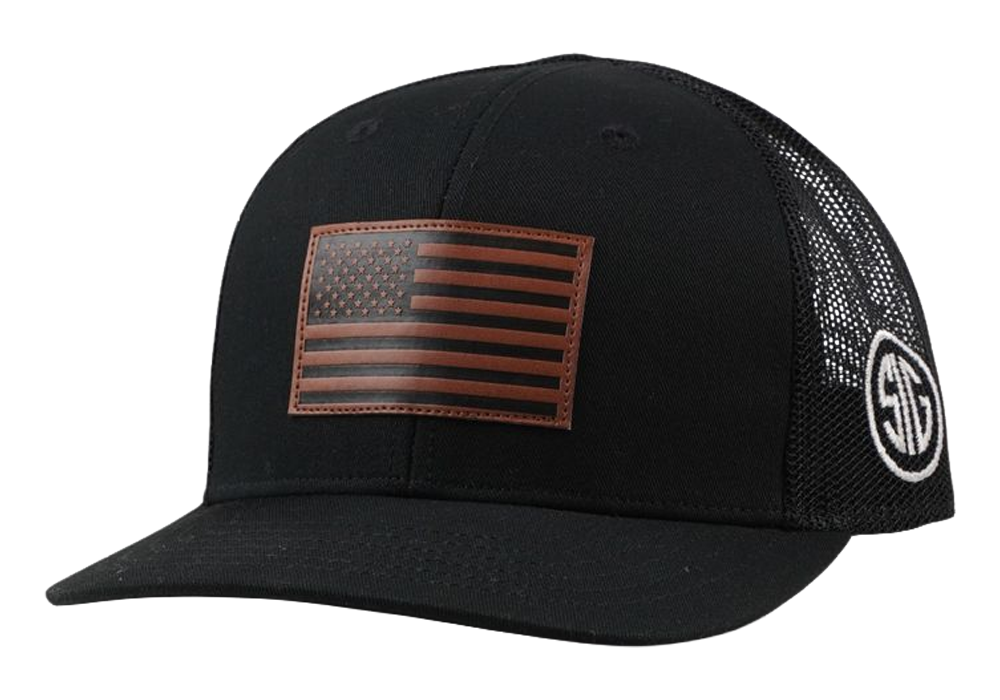
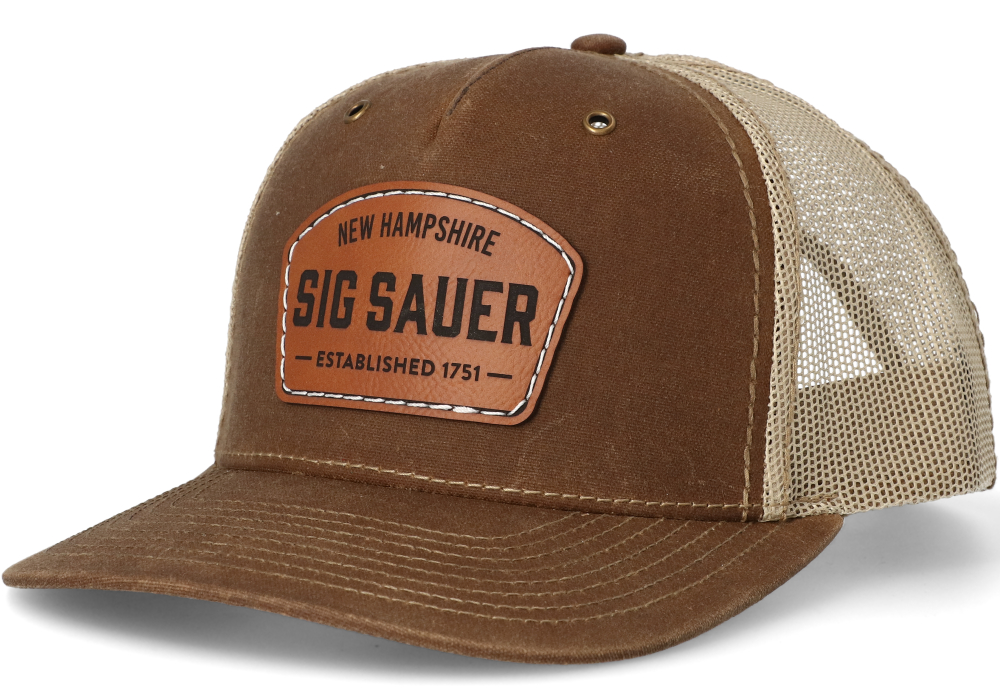
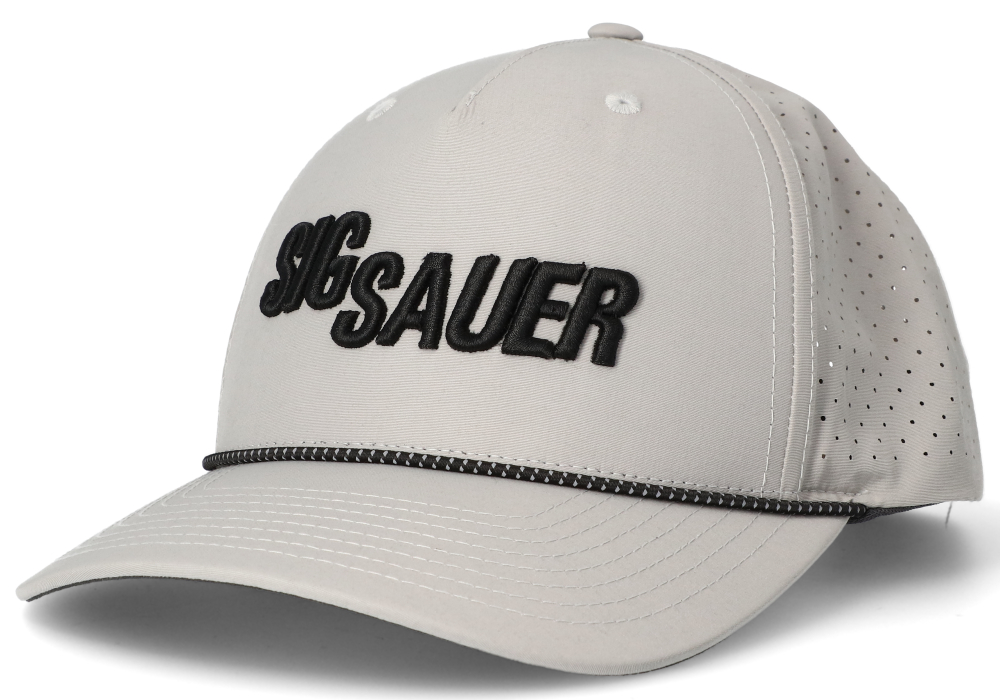
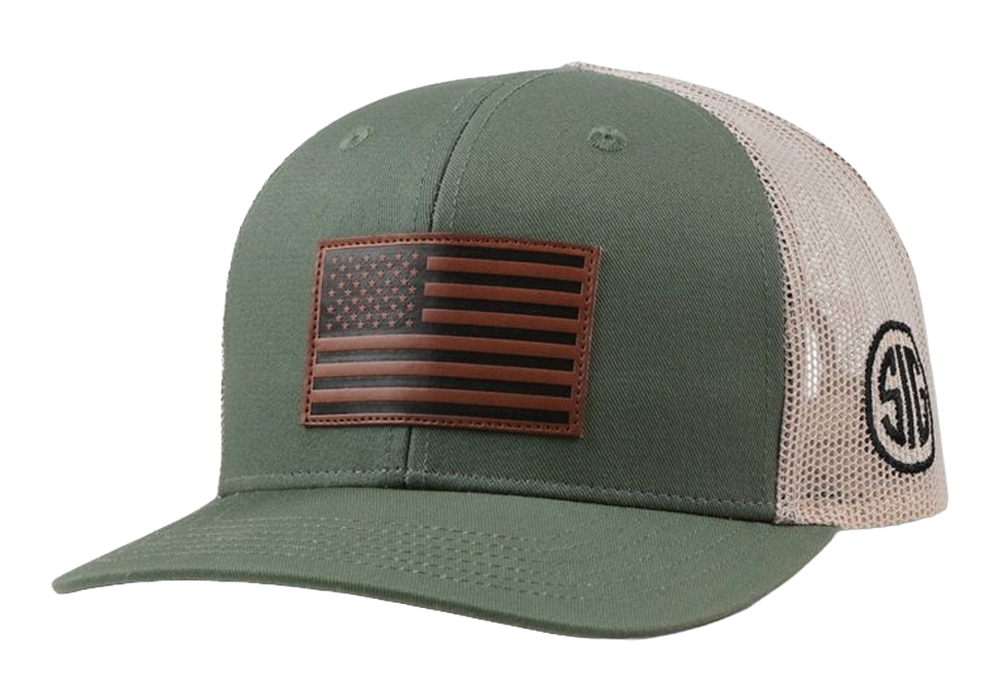
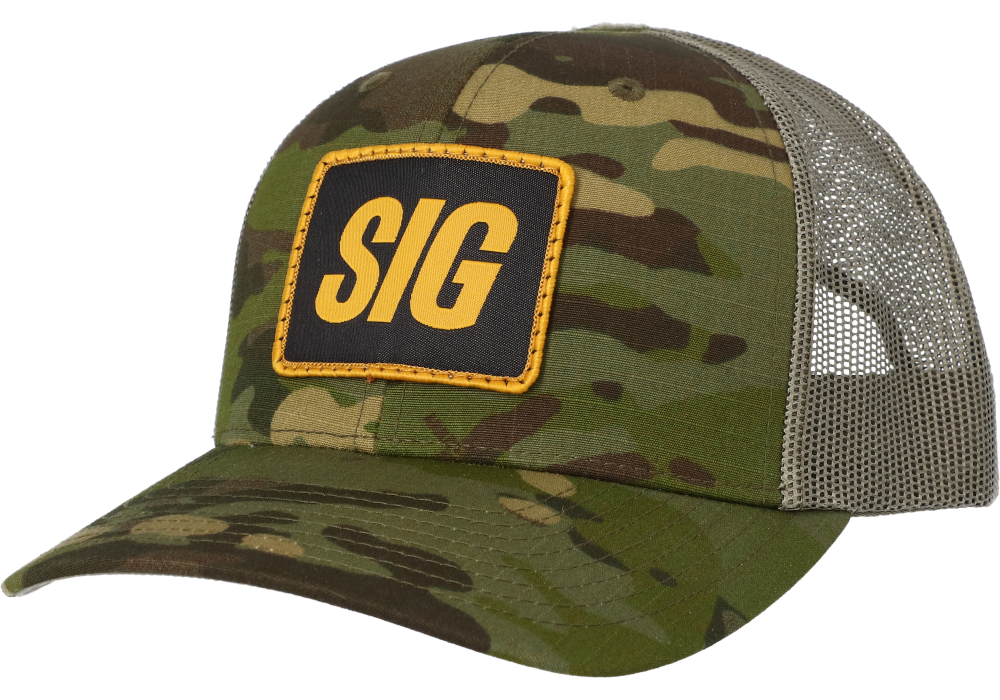
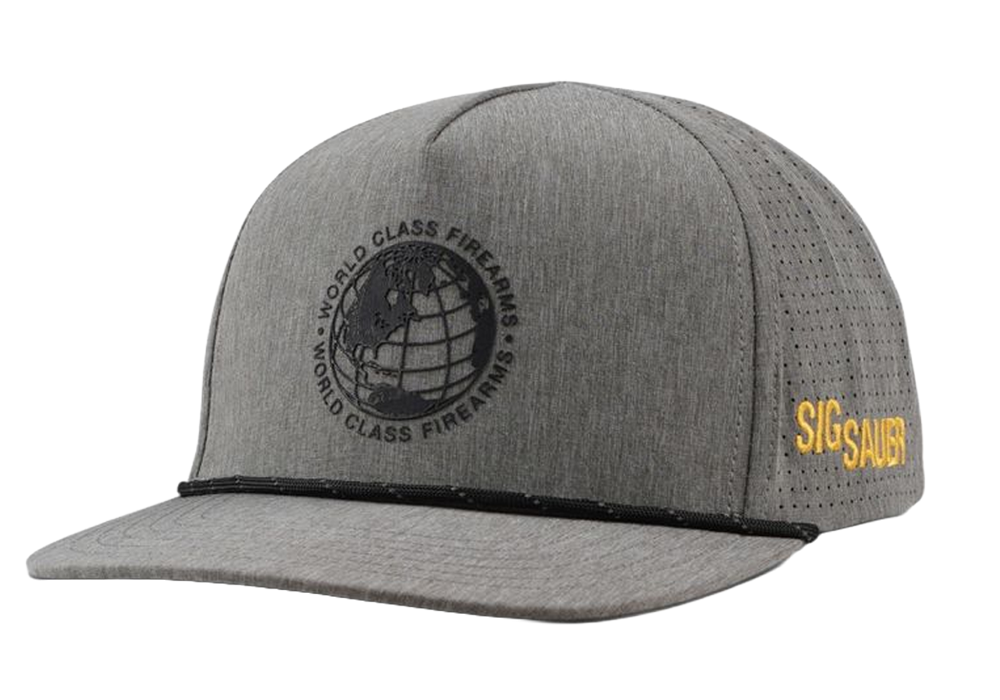
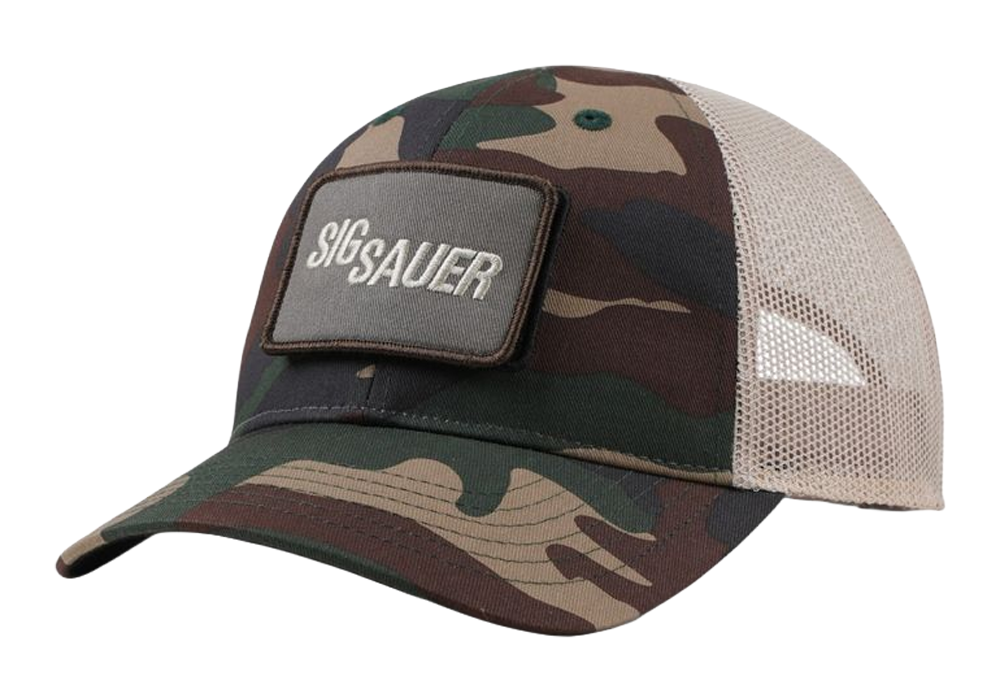
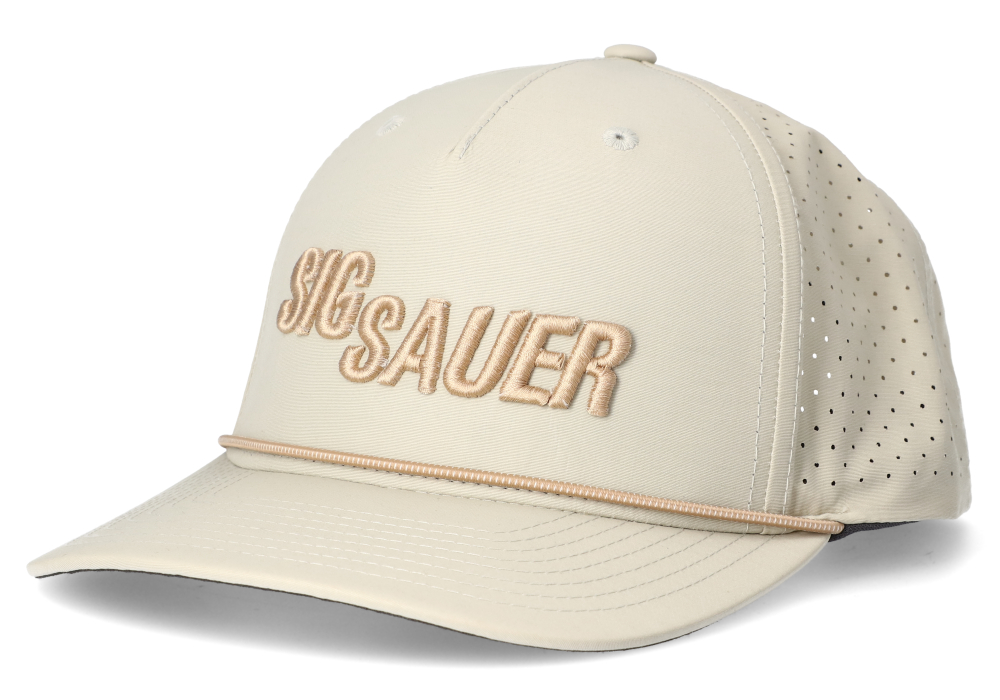
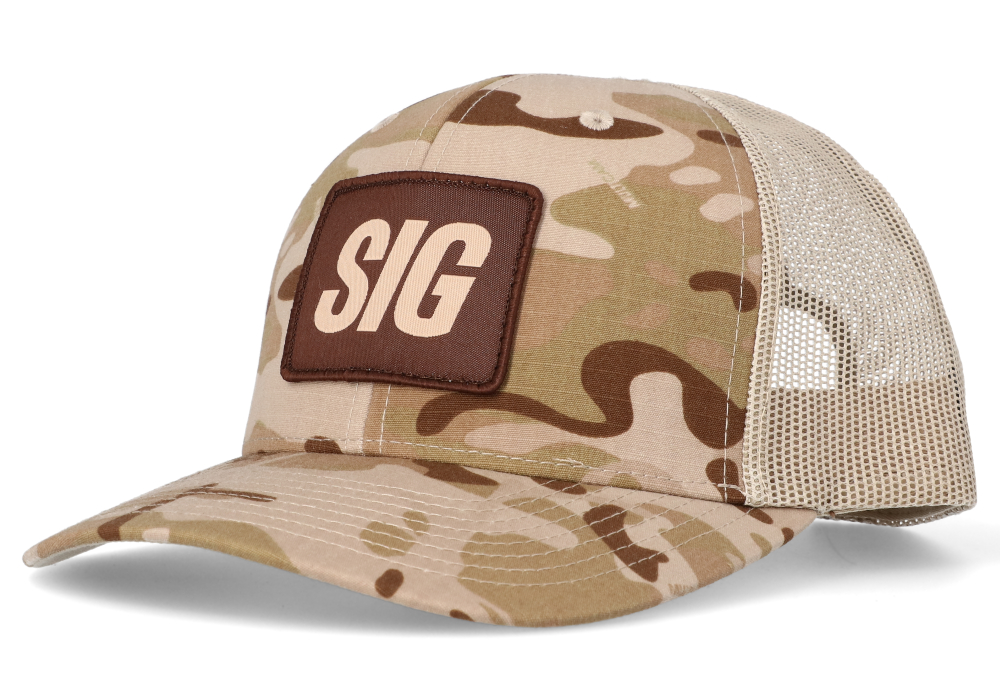
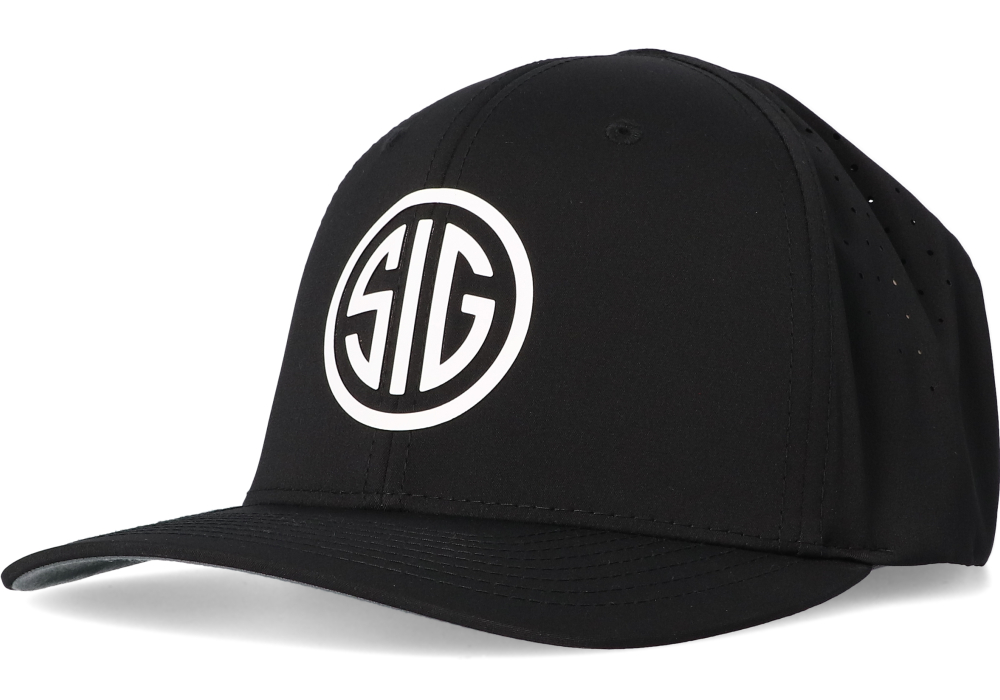
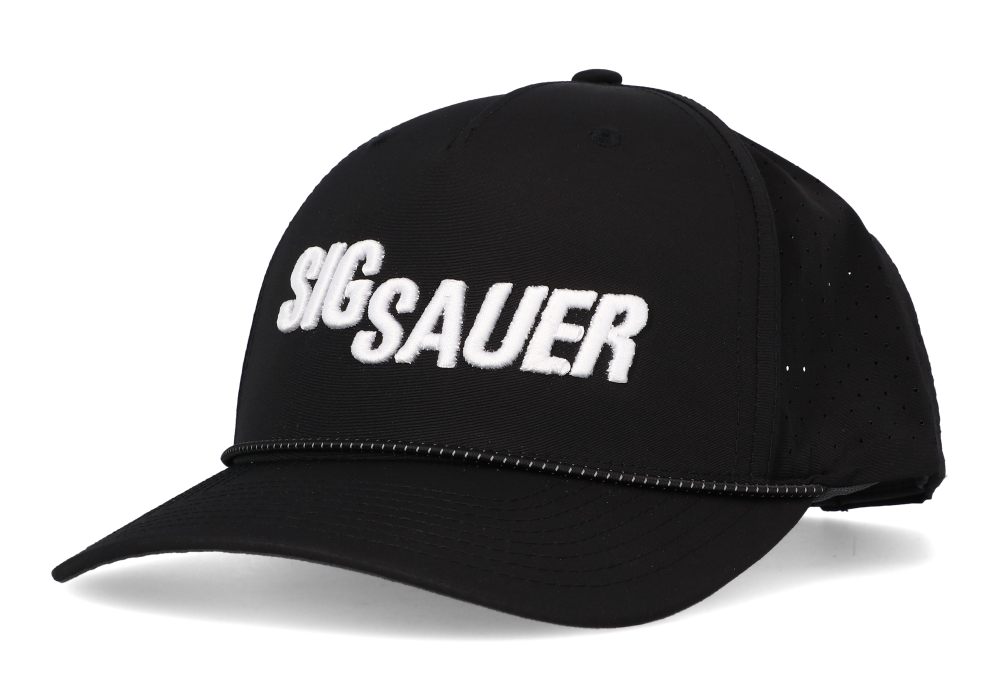
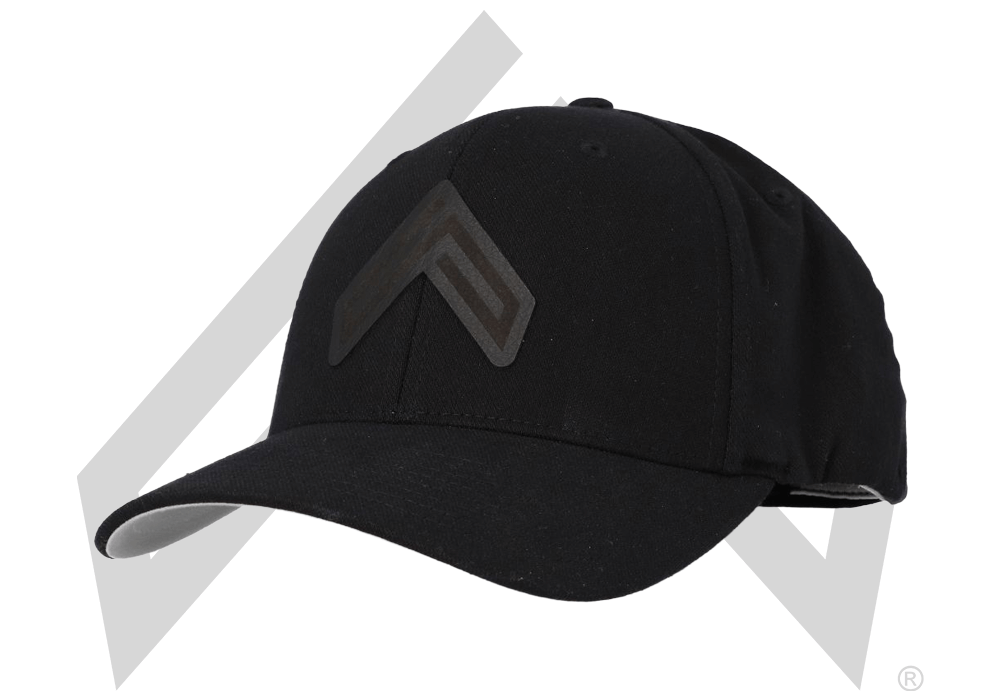
Breathable hats encourage airflow around the head through mesh panels, perforations, loosely woven fabrics, or other ventilated construction. Some also use moisture-wicking materials that move perspiration away from the skin, helping the fabric dry more readily between activities. Breathability and moisture management are related, but they are not the same feature: an open mesh crown allows air to circulate, while a sweatband or technical fabric may help manage moisture where the hat touches the forehead. Understanding that distinction makes it easier to compare headwear for everyday errands, hiking, walking, range visits, and other active routines. A traditional trucker-style hat pairs a solid front panel with mesh across the sides and back, providing a defined shape without enclosing the entire head in solid fabric. Performance caps may use smaller ventilation openings or lightweight woven panels for a less open appearance. The placement of those features matters as much as their size, since a solid lining behind a mesh panel can limit airflow. Fabric choices also affect how a hat feels throughout the day. Cotton often has a soft, familiar texture and absorbs moisture, though it generally dries more slowly than many lightweight synthetic fabrics. Polyester and nylon can offer quick-drying performance, with durability and feel depending on the weave, fabric weight, and finish. Blended fabrics combine characteristics from different fibers, sometimes adding stretch for a closer fit. No single material tells the whole story, so crown construction, lining, and the inner band deserve attention alongside the fabric description. A breathable hat should feel comfortable at the contact points, not simply look ventilated from the outside. Smooth inner seams, a flexible forehead panel, and a sweatband that sits flat can make a noticeable difference during several hours of wear. For someone moving between a morning walk, a drive, and an afternoon of errands, those small construction details often matter more than an elaborate design. The most useful everyday headwear brings ventilation, a manageable weight, and an easy fit together without requiring constant adjustment.
Fit shapes the experience of wearing a breathable hat just as much as the fabric does. The crown should sit securely without creating pressure across the forehead or pulling tightly above the ears. Adjustable closures offer room to fine-tune that fit, which is useful when hair length changes or when a hat will be given as a gift. Snap closures provide defined adjustment points, while strap closures can allow smaller changes; either style works best when the fastening sits comfortably against the back of the head. Stretch-fit hats have a different feel, relying on the band and fabric rather than an external adjustment, so the stated size range deserves a close look. Crown depth is another practical detail. A deeper crown may feel more secure to someone who prefers fuller coverage, while a shallow, low-profile shape can suit a closer-fitting look. Structured front panels help a cap retain its silhouette, whereas an unstructured crown is more flexible and can conform more readily to the head. Intended use helps narrow those preferences. For a range visit, a cap that works comfortably with protective eyewear and hearing protection is more useful than one chosen solely for appearance. Thick seams, a tall crown, or bulky side panels may interfere with the position of over-ear protection, depending on the equipment and the wearer. On a trail, secure adjustment and a brim that stays out of the line of sight can support comfortable movement. For driving or casual wear, a shorter or more flexible brim may feel less intrusive against a seat back or when looking around. A brim can help reduce glare, but breathable fabric alone does not establish a sun-protection rating, and open mesh leaves portions of the head exposed. Any stated protective rating should be evaluated separately from ventilation. Glasses, hairstyle, and personal preference all affect fit, making breathable headwear a practical choice when its shape works with the rest of an everyday routine.
Care and durability determine how well a breathable hat holds its fit, finish, and comfort through repeated wear. Mesh panels benefit from careful handling because hooks, rough storage surfaces, and sharp edges can snag the openings. Dense stitching around panel edges, a securely attached closure, and neatly finished internal seams are useful construction details to examine. A lightweight crown does not automatically mean a fragile hat, just as a heavier fabric does not guarantee better performance. The combination of fabric, stitching, reinforcement, and care matters more than weight alone. Perspiration and skin oils can collect along the inner band, so regular attention to that area helps keep the hat comfortable and fresh. Cleaning methods should follow the care label, especially when a cap has a structured front, decorative stitching, or a shaped brim. When permitted, gentle spot cleaning with mild soap can address marks without soaking the entire hat. Aggressive scrubbing may roughen fabric surfaces, and twisting the crown or brim can distort the shape. Air drying with the crown supported helps preserve its form; storing a hat before it is fully dry can leave the inner band unpleasant for the next wear. A shelf or hook that supports the hat without stretching the closure is a simple way to keep it within reach while protecting its structure. Breathable hats also suit gift occasions because they combine everyday usefulness with personal style. An adjustable fit can simplify choosing headwear for a walking partner, a hiking enthusiast, a range companion, or someone who regularly wears a cap during weekend errands. A familiar silhouette and a color that works with the recipient’s usual clothing are often more useful than a design that feels unlike anything they already wear. For frequent wearers, a second hat allows time for cleaning and drying between outings. Related styles can also be explored in the Summer Hats collection. Across different shapes and fabrics, the lasting appeal of breathable headwear is straightforward: comfortable airflow, dependable fit, and construction that supports repeated use.