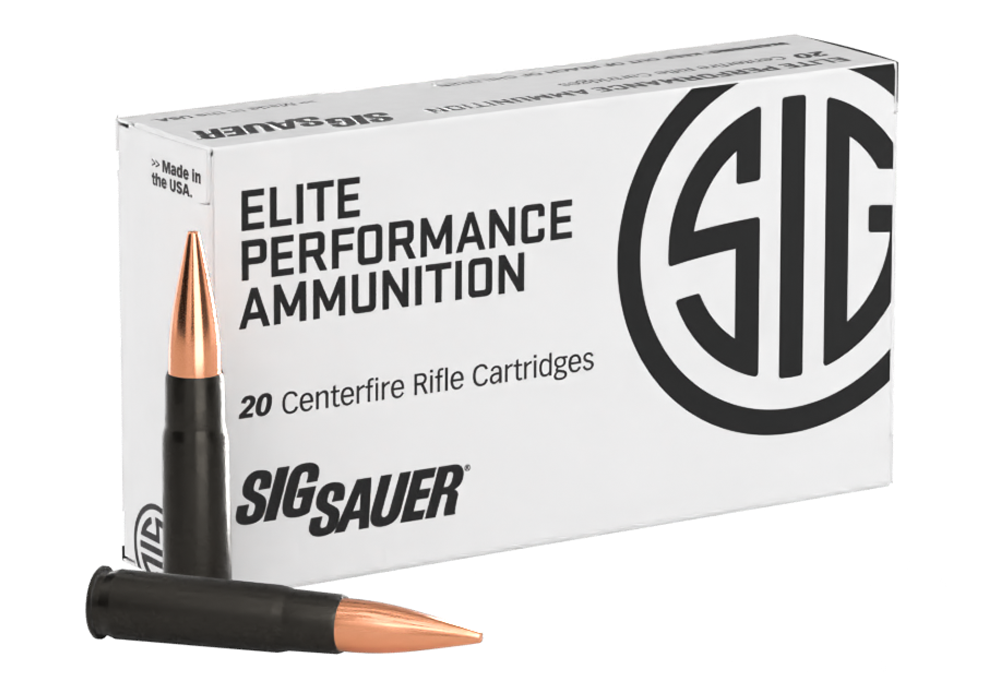
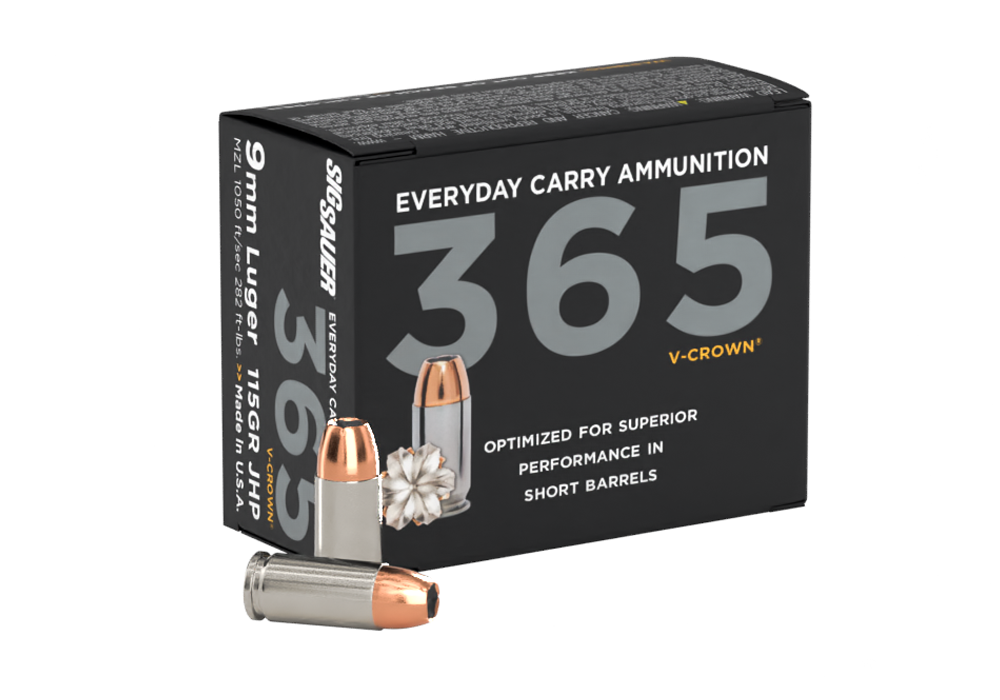
Copper hunting bullets are solid, one-piece projectiles formed from copper or a copper alloy rather than a traditional lead core and jacket. Their construction gives them a distinct place in the hunting ammunition category: instead of relying on a separate core to expand and a jacket to hold it together, many copper designs use a controlled cavity, tapered nose, or other engineered feature to initiate expansion while keeping the bullet in one piece. That combination can provide deep penetration, reliable performance through heavy muscle and bone, and very high weight retention, often in the range of 90% to 95% when the bullet is recovered. For hunters who want to reduce the chance of lead fragments in recovered game meat, copper hunting bullets are also an appealing choice, and they may be required in areas with non-toxic ammunition regulations. Their performance makes them useful for a range of game, from deer and antelope to larger animals such as elk, moose, and hogs, provided the selected cartridge, bullet weight, and load are appropriate for the rifle and the hunt. As the cooler months bring changing conditions in the field, ammunition that performs consistently across varied angles and distances can add confidence during long walks through timber, open-country glassing, or a careful stalk along a brush line. Copper bullets are not simply interchangeable with every lead-core load, however. Copper is less dense than lead, so a copper projectile of the same weight is generally longer. That difference can affect seating depth, twist-rate preferences, magazine fit, and the bullet weight that performs best in a particular rifle. Many hunters choose a slightly lighter copper bullet while still achieving suitable penetration, and some designs are intended to produce dependable expansion at a broad range of impact velocities. Checking the manufacturer’s specifications, confirming local regulations, and selecting ammunition that matches the rifle’s chambering are essential steps before heading into the field.
When comparing copper hunting bullets, start with the fundamentals: cartridge, bullet weight, projectile profile, intended game, and the distances at which the rifle is normally used. A lighter bullet may offer a flatter trajectory and faster impact speed, while a heavier option can be useful when the priority is deep penetration on larger game. The best choice depends on the rifle’s twist rate, barrel length, sight-in distance, and the hunter’s realistic shooting conditions rather than a single advertised performance figure. Copper bullets often benefit from sufficient impact velocity to open their petals or nose cavity as designed, particularly at longer range where velocity has declined. At the same time, excessive impact speed at very close range can produce substantial expansion, making shot placement and an understanding of the bullet’s design just as important as the material itself. Range testing is the most dependable way to learn how a load behaves in an individual rifle. Fire a careful group from a stable rest, confirm point of impact, inspect the target for consistent expansion when appropriate, and verify that the rifle feeds and cycles smoothly. A load that groups well from one rifle may perform differently in another, even when both rifles share the same chambering. Copper projectiles can also leave a different fouling pattern than conventional ammunition, so cleaning and maintenance should follow the firearm and ammunition manufacturers’ recommendations. Hunters who are transitioning from lead-core ammunition may notice a different recoil impulse, point of impact, or terminal result, and those details are worth understanding before the season becomes busy. For a compact, fast-moving deer cartridge, reviewing options such as 243 Win Copper Projectile Rounds can be a practical starting point when the rifle is chambered accordingly. Always confirm that the headstamp and cartridge designation match the firearm exactly; ammunition should never be forced into a chamber, altered, or used outside the specifications marked on the box.
Copper hunting bullets are a natural fit for experienced hunters refining a trusted setup, first-time hunters assembling a dependable field kit, and outdoorspeople who prefer non-toxic ammunition for personal, environmental, or regulatory reasons. They can also make a thoughtful gift for a hunter when the recipient’s cartridge and preferred bullet weight are known, although ammunition is a poor choice for guessing. A gift card, range session, or a conversation about the recipient’s rifle can prevent the common mistake of purchasing the wrong chambering or an incompatible load. Hunters preparing for the cooler stretch of the season may appreciate the chance to verify their zero, test a new load from a cold barrel, and practice from realistic field positions before carrying ammunition into the woods or mountains. Store cartridges in a cool, dry place and keep them in their original packaging so caliber, bullet weight, and lot information remain clear. Follow all range rules and firearm safety practices, use eye and ear protection, and transport ammunition in accordance with applicable laws. Most importantly, no projectile can replace sound judgment and precise shot placement. Copper construction may help a bullet retain weight and reach vital organs through challenging tissue, but the result still depends on choosing suitable ammunition, knowing the rifle, respecting ethical distances, and waiting for a responsible opportunity. With those considerations in place, copper hunting bullets offer a modern option for hunters seeking controlled expansion, deep penetration, strong weight retention, and dependable performance across the varied conditions encountered during the hunting season.