HD Binoculars
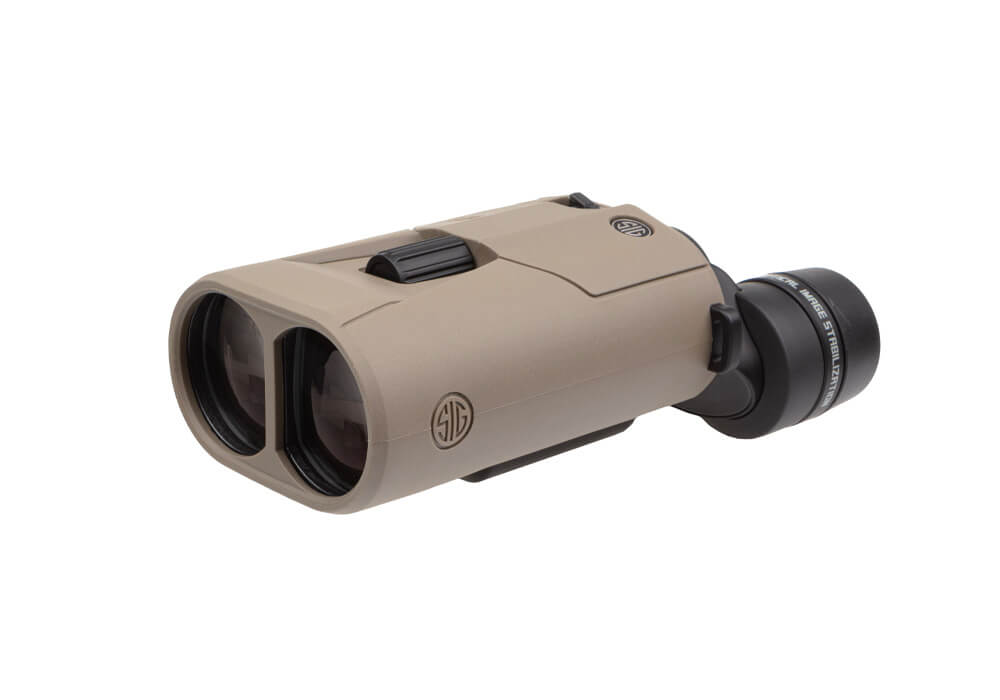
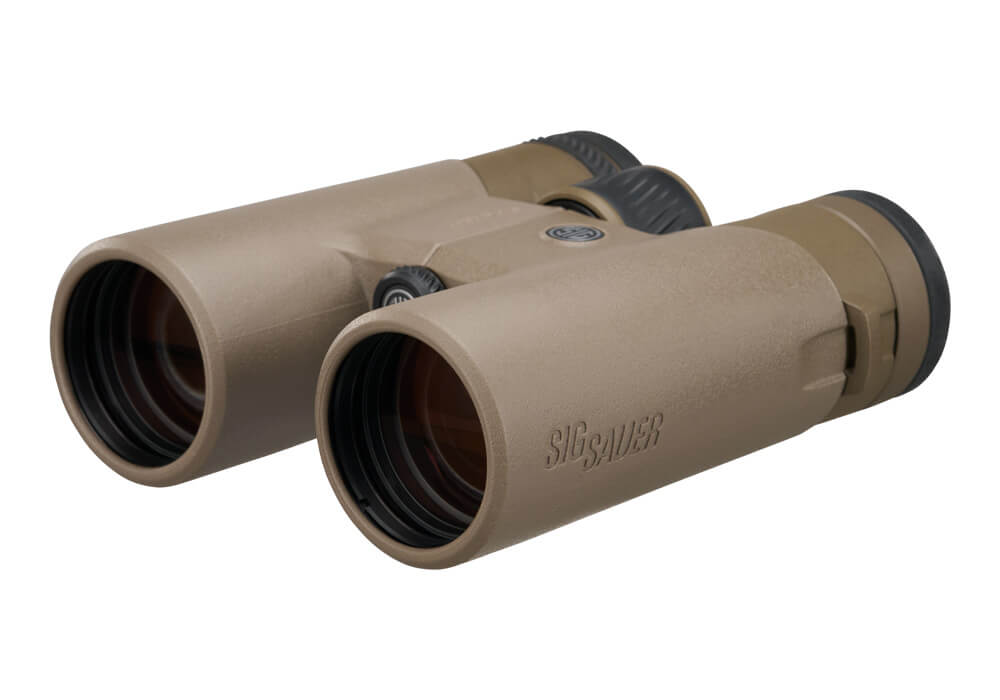
HD binoculars have become an essential companion for outdoor enthusiasts who demand exceptional clarity and color fidelity from their optics. Whether you’re glassing distant ridgelines for elusive game, scanning the treetops for rare birds, or simply soaking in the intricate details of a winter landscape, the right pair of binoculars can transform your experience. What sets HD binoculars apart is their use of high-density (HD) or extra-low dispersion (ED) glass, which significantly reduces chromatic aberration—those distracting color fringes that can blur the edges of an image. The result is a crisp, true-to-life view that brings every feather, antler, or distant mountain peak into sharp relief. Many HD binoculars are equipped with fully multi-coated lenses and BaK4 prisms, maximizing light transmission even in low-light conditions such as dawn or dusk. This is particularly valuable in February, when the days are short and wildlife tends to be most active during those golden hours. With robust, waterproof, and fog-proof construction, these binoculars are built to withstand the unpredictable weather and rough terrain that often come with winter excursions.
Understanding binocular numbers meaning is key to selecting the right model for your needs. When you see something like “10x42” or “15x56” in a product description, those numbers tell you the magnification power and the diameter of the objective lens in millimeters. Binocular numbers explained simply: the first number refers to how many times closer an object will appear compared to the naked eye, while the second number indicates how much light the binoculars can gather. For instance, 8x42 or 10x42 models are popular for their balance of magnification, field of view, and image stability—making them versatile choices for everything from birdwatching to hiking. On the other hand, 12x50 or 15x56 binoculars offer greater detail at longer distances, which can be invaluable for hunters scanning wide-open terrain or for anyone observing wildlife from afar. However, higher magnification also means a narrower field of view and more noticeable hand shake, so some users may prefer to pair such powerful binoculars with a lightweight spotting scope for extended glassing sessions. If you’re new to binoculars, or shopping for a gift, consider the intended use and the user’s comfort—an avid birder may appreciate a wide field of view, while a backcountry hunter might prioritize compactness and ruggedness.
HD binoculars also make thoughtful gifts for anyone who loves the outdoors, from seasoned sportsmen to novice nature watchers. Imagine handing a pair to a friend as you step into a frosty meadow at sunrise, the world silent except for the distant call of geese overhead. Suddenly, every detail comes alive: the subtle gradations of color in a red-tailed hawk’s plumage, the shimmer of frost on a distant hillside, or the cautious movement of a deer at the forest’s edge. For families, sharing a pair of binoculars on a winter hike can spark curiosity in young explorers, turning an ordinary walk into an adventure. With advancements in ergonomic design, many HD binoculars now offer comfortable grips and adjustable eye relief, making them accessible to users of all ages and abilities. If you’re looking to expand your collection or find the perfect all-around optic, explore our curated selection of Field Binoculars for options that deliver uncompromising performance in any season. Whether you’re tracking movement across a snow-dusted field or picking out constellations on a clear February night, the right binoculars are a gateway to seeing the world in vivid detail.