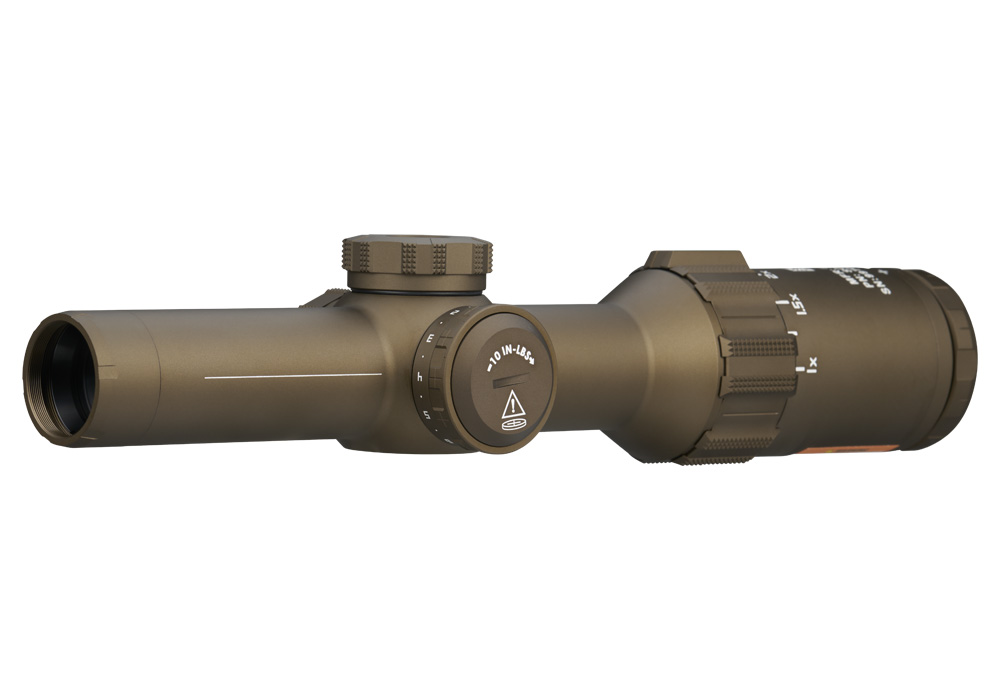
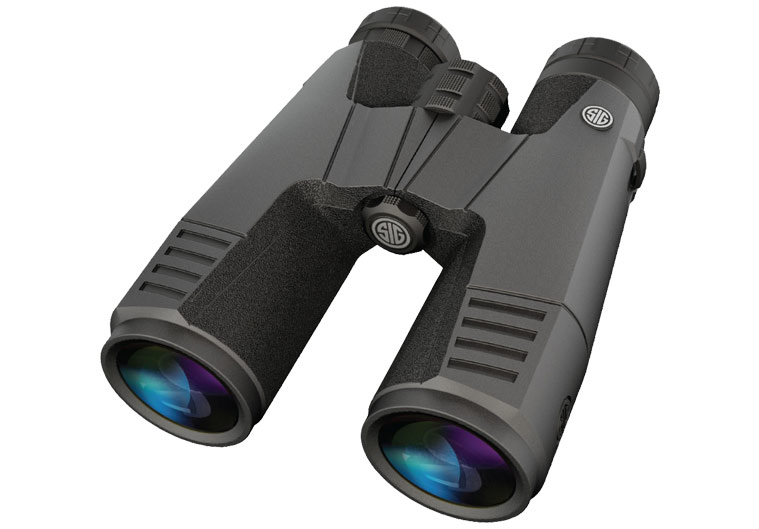
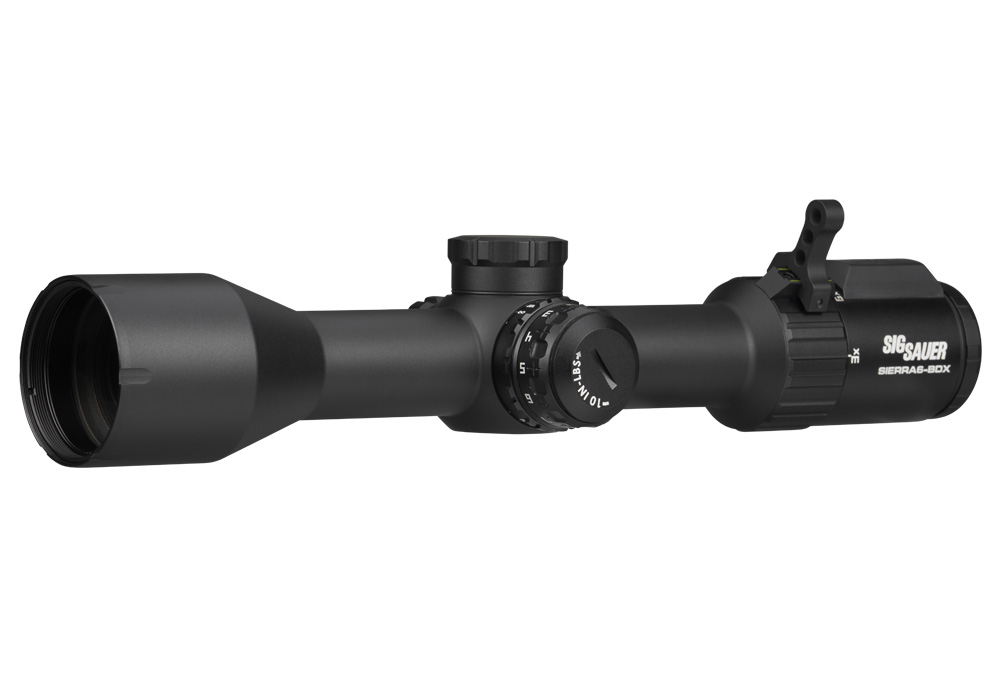
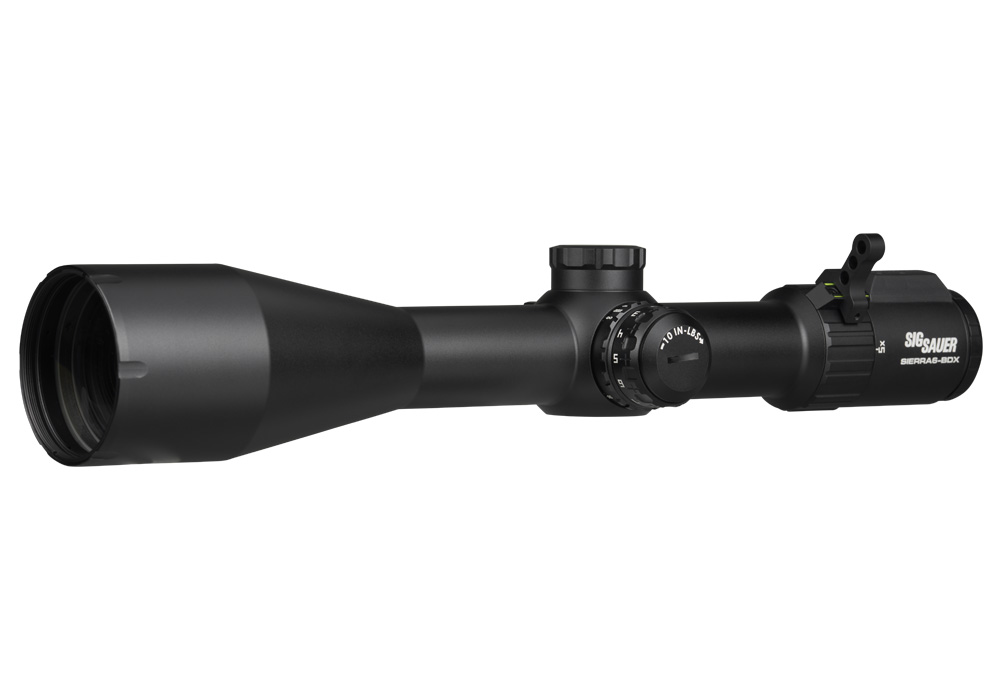
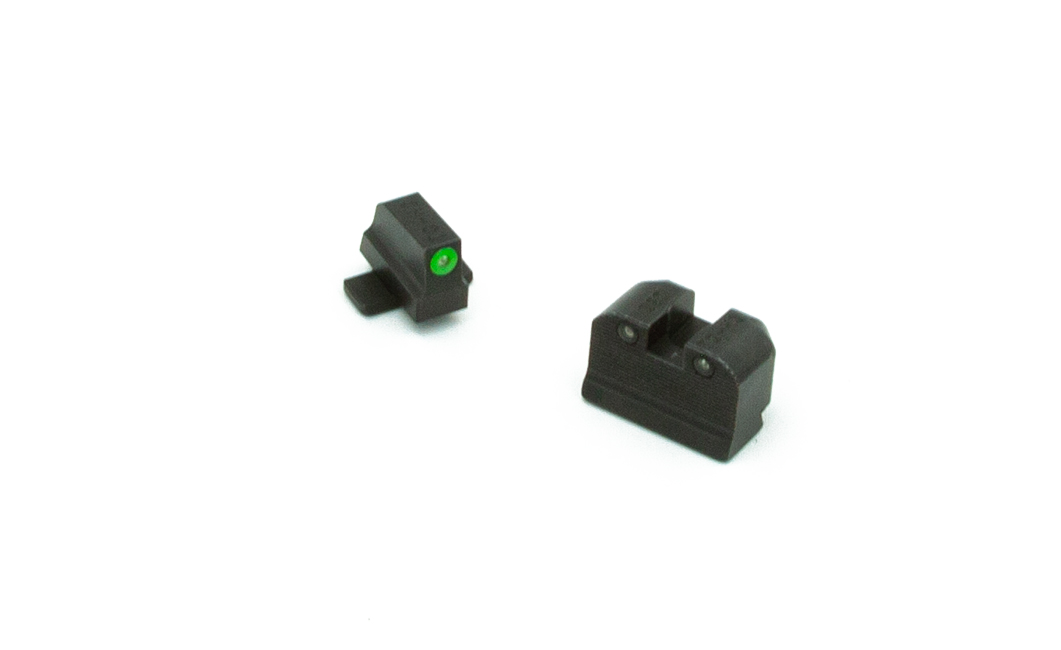
HD optics encompass sighting and observation equipment built around a clear view, useful detail, and dependable performance. The HD designation can refer to high-definition optical performance or serve as part of a design name; it does not establish a universal resolution standard or guarantee the same features across every optic. The meaningful differences are in the glass, lens coatings, viewing system, housing, and controls. For shooting and observation, clarity is more than an image that looks sharp at first glance. Good contrast helps separate a target from a similarly colored background, while controlled distortion keeps shapes recognizable across the usable field of view. Consistent color rendition and effective glare control can make fine details easier to distinguish without an overly tinted image. On a range, that might mean seeing the edge of a paper target against a dark backstop or examining a group without repeatedly walking forward. In the field, it can mean recognizing an animal’s outline through overlapping branches before deciding whether a closer look is warranted. Different optical formats support different tasks. A reflex sight presents an illuminated aiming reference with little or no optical magnification, allowing a broad view of the surroundings. A magnified sight brings distant details closer, with the balance between magnification and field of view affecting how easily a shooter can locate and follow a target. Binoculars and spotting optics support observation without requiring a firearm to be pointed toward the subject. Hunters, recreational shooters, competitors, and professionals may all value HD optics, but their priorities are not identical. A compact sight intended for routine carry places different demands on size and controls than an observation optic used from a supported position. Across those applications, useful optical performance comes from matching the equipment to the task rather than treating an HD label as a complete specification. A bright image, a comfortable viewing position, and controls that remain easy to recognize during repeated practice often matter more than an isolated number on a specification sheet.
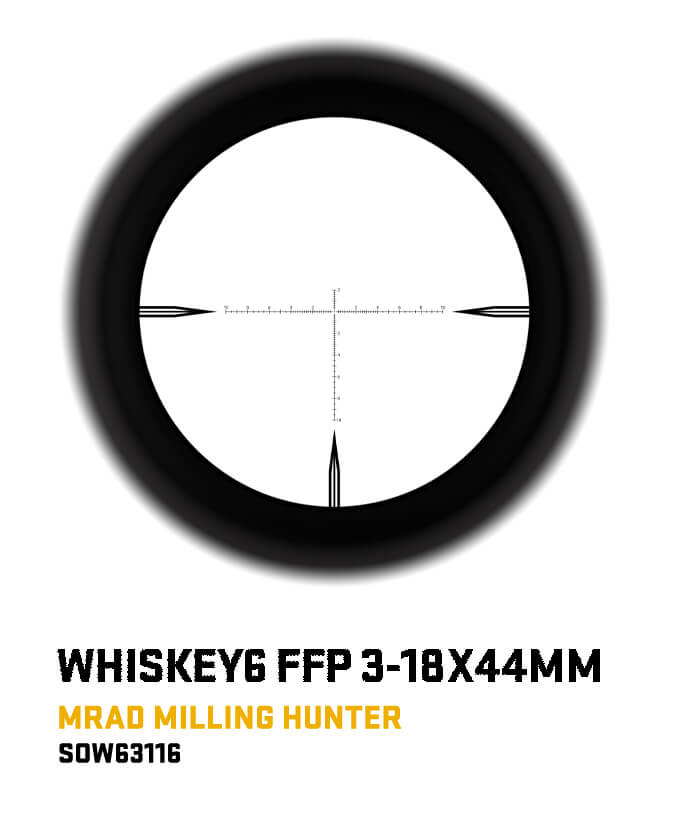
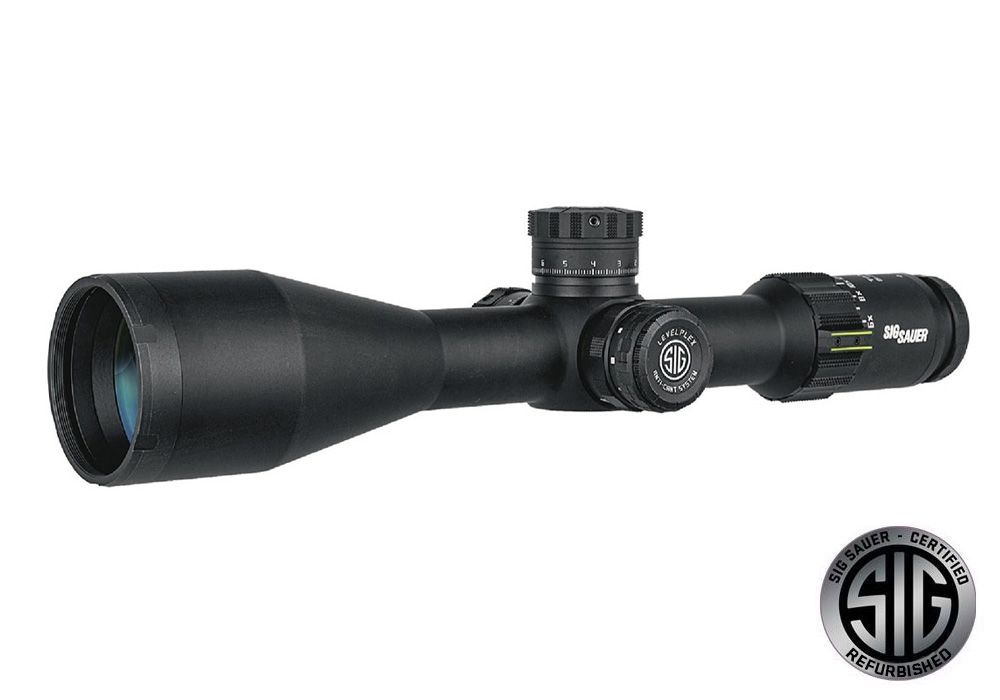
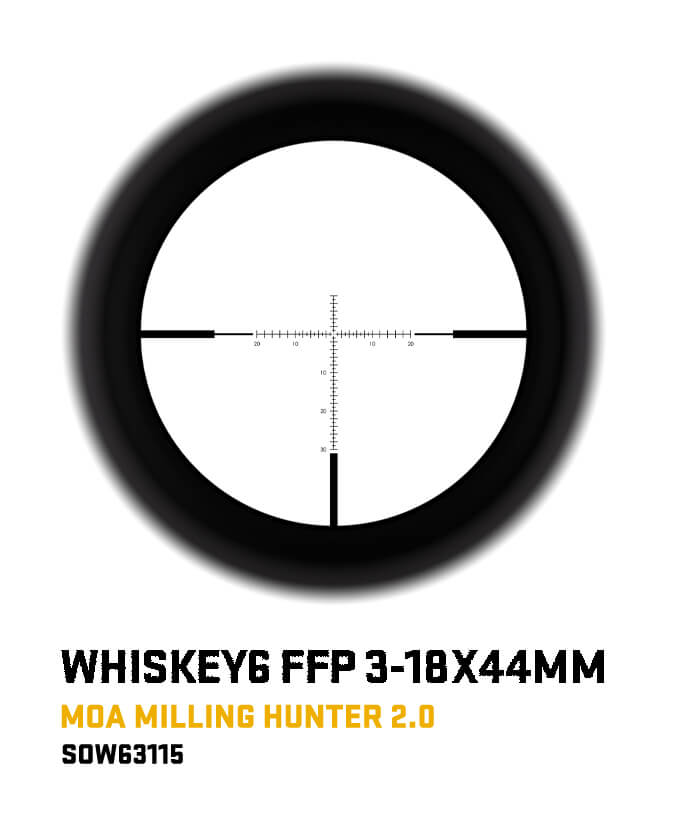
For firearm-mounted HD optics, construction and compatibility are as important as the view through the lens. Aluminum-alloy housings can provide a practical balance of strength and weight, while the shape of the housing helps protect the optical window and internal components. Protective finishes, sealed compartments, and reinforced contact points contribute to durability, although resistance to impact or moisture should be judged by the stated testing and ratings for the particular design. A rugged appearance alone does not establish suitability for professional duty. Lens coatings serve distinct purposes: some improve light transmission and reduce reflections, while others help protect exposed surfaces or simplify cleaning. No coating eliminates the need for careful handling. Fit begins with the relationship between the optic’s mounting interface and the firearm or mounting system. Footprints that look similar are not necessarily interchangeable, and adapter plates can affect installed height, fastener engagement, and the relationship between the optic and existing sights. On a handgun, the housing’s dimensions also influence holster compatibility and access to controls. On a rifle, mounting height and eye relief affect whether the shooter can obtain a comfortable sight picture from a natural position. For reflex sights, an unobstructed window and an easily visible aiming reference help make that sight picture repeatable. A small dot can provide a less crowded view of a precise aiming point, while a circle-and-dot arrangement gives a larger visual reference that some shooters find easier to locate. Adjustable illumination helps keep the reticle visible without allowing excessive brightness to obscure detail. Some designs use an ambient-light sensor to adjust illumination automatically; sensor position and adjustment range influence how the system responds when the target and shooter are in differently lit areas. Manual controls remain relevant for users who prefer a consistent setting. Battery access is another practical distinction. A top-access battery compartment can permit replacement without removing the optic from its mount, reducing disruption to the setup. Battery type, illumination settings, electronic features, and usage patterns all affect service life, so a single runtime claim should not be assumed to apply to every configuration.
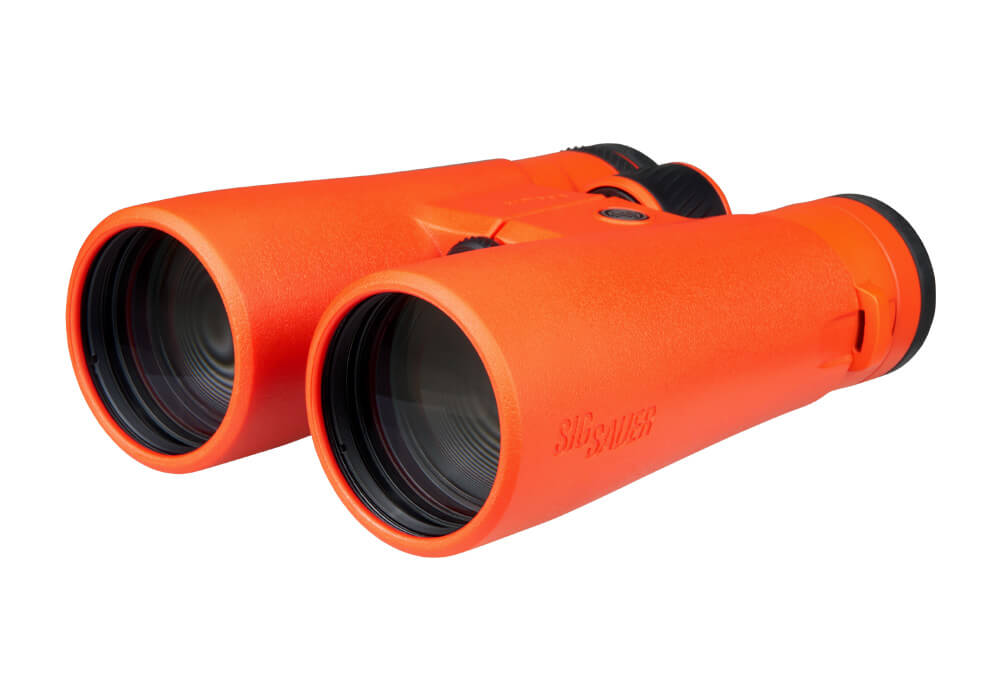
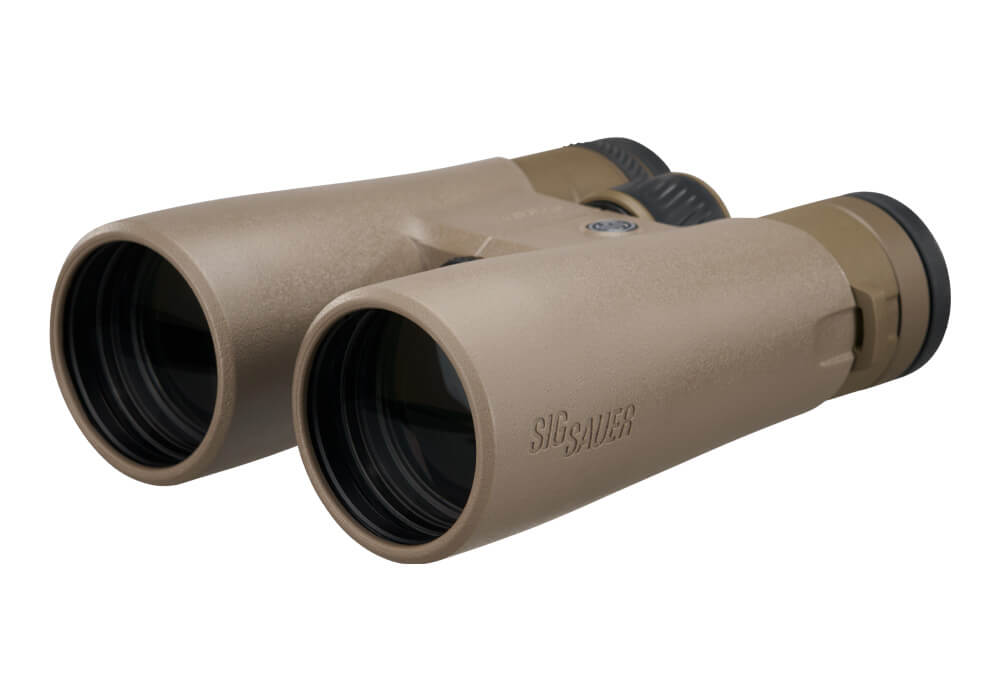
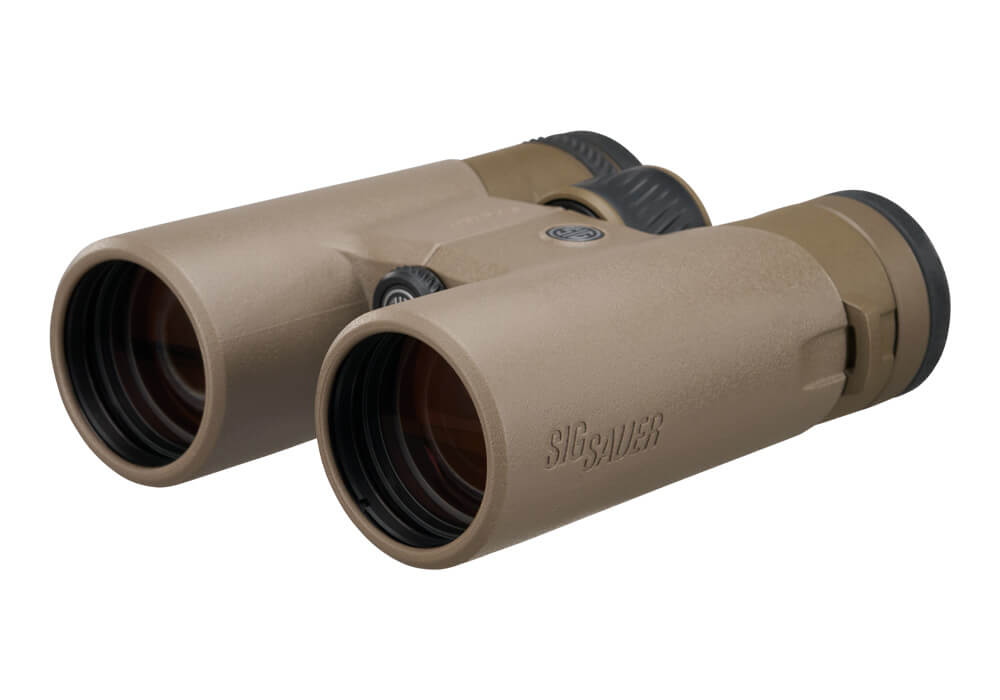
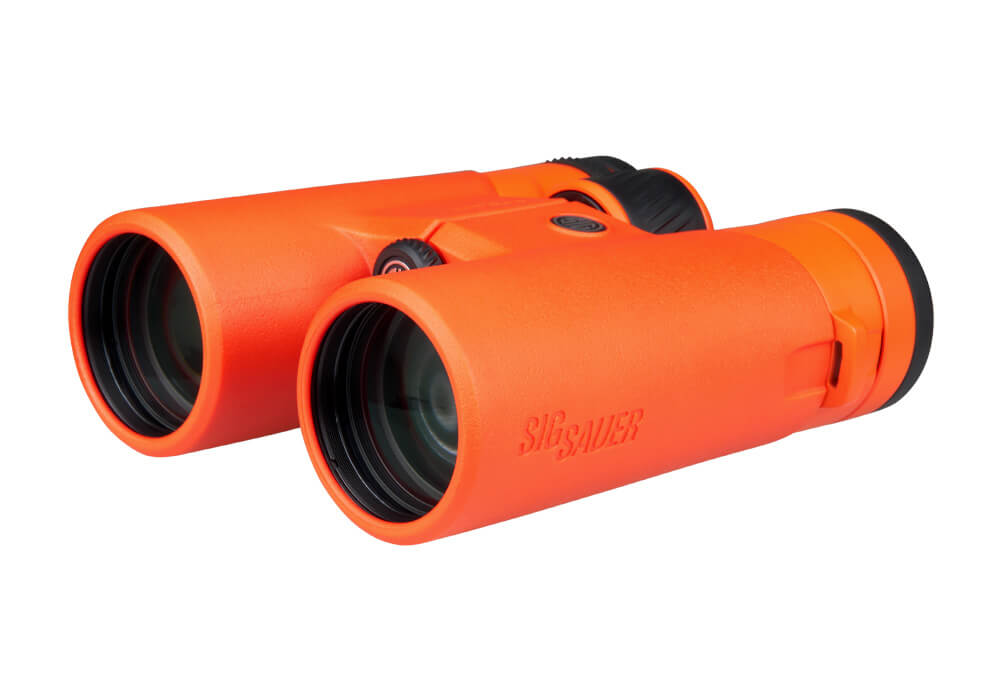
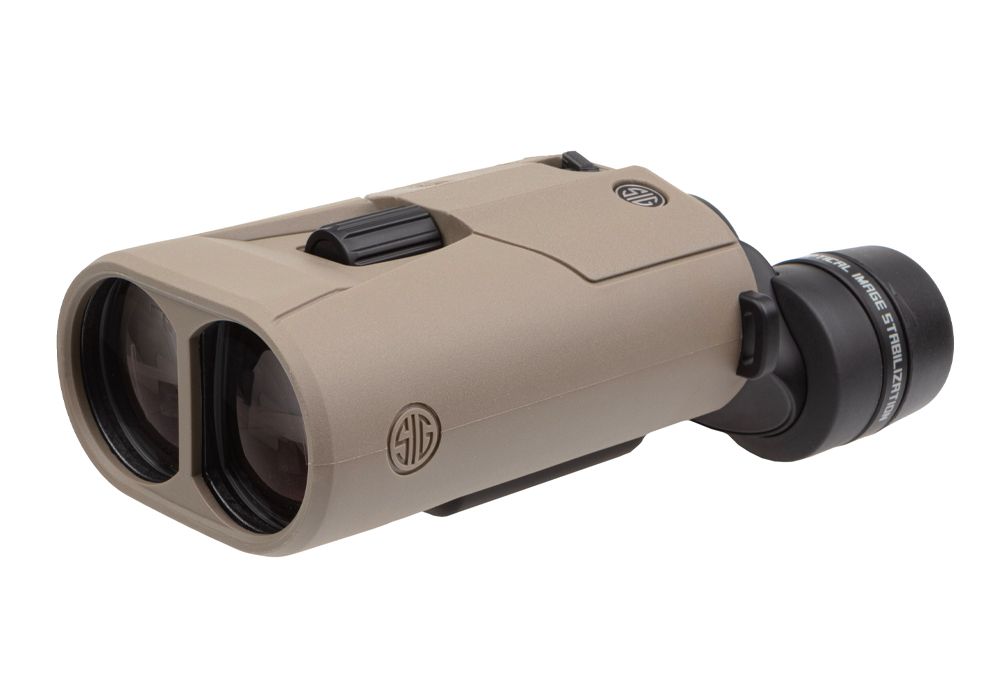
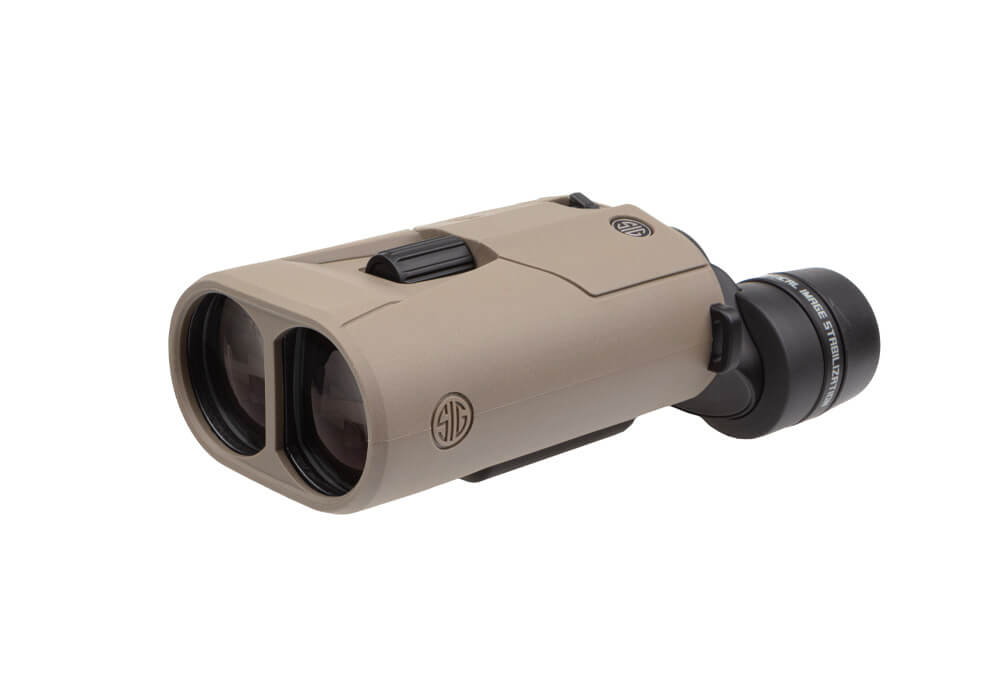
HD optics also deserve consideration as equipment that will be handled, carried, cleaned, and used repeatedly—not simply viewed through once. An observation optic with excellent glass can still feel awkward if its weight, balance, or controls do not suit the user. Binocular hinge adjustment, eyecup design, and usable eye relief affect comfort, especially for someone who wears glasses. Higher magnification reveals more distant detail, but it can also magnify hand movement and narrow the visible area. A wider field of view may be more useful when locating wildlife or following activity across a broad landscape, while a supported spotting optic can suit extended examination of a smaller area. For a dedicated observation setup, HD Binoculars provide a related option for comparing details through a two-eye viewing format. Ease of maintenance matters across both observation and aiming equipment. Dust and grit can scratch exposed surfaces if rubbed across the glass, making a clean lens brush or air blower useful before an appropriate optical cloth touches the lens. Suitable lens-cleaning solutions help preserve coatings, while abrasive household cleaners and rough fabric can damage them. Protective covers and a padded case reduce unnecessary contact during transport, and accessible battery compartments make routine upkeep more convenient for electronic sights. Mounting hardware, seals, and controls benefit from periodic attention according to the equipment’s care instructions, with confirmation of the sight’s zero remaining part of responsible upkeep after service or a significant impact. For a gift recipient, an observation optic can be a thoughtful choice for a hunter, wildlife watcher, or outdoor enthusiast when viewing comfort and carrying preferences are known. A firearm-mounted optic requires a more exact understanding of the recipient’s setup, including its mounting interface and intended use. The most satisfying match is equipment that feels natural in regular use: a clear view without constant adjustment, a housing suited to the handling it will receive, and a feature set that supports the user’s actual routine. Those qualities give HD optics lasting value beyond the designation itself.