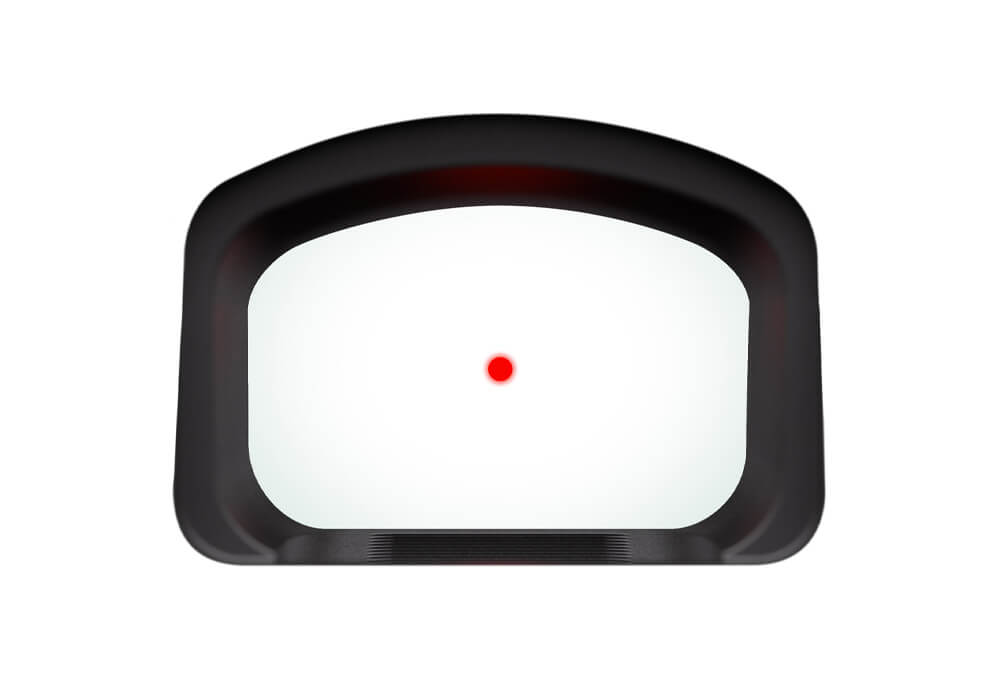
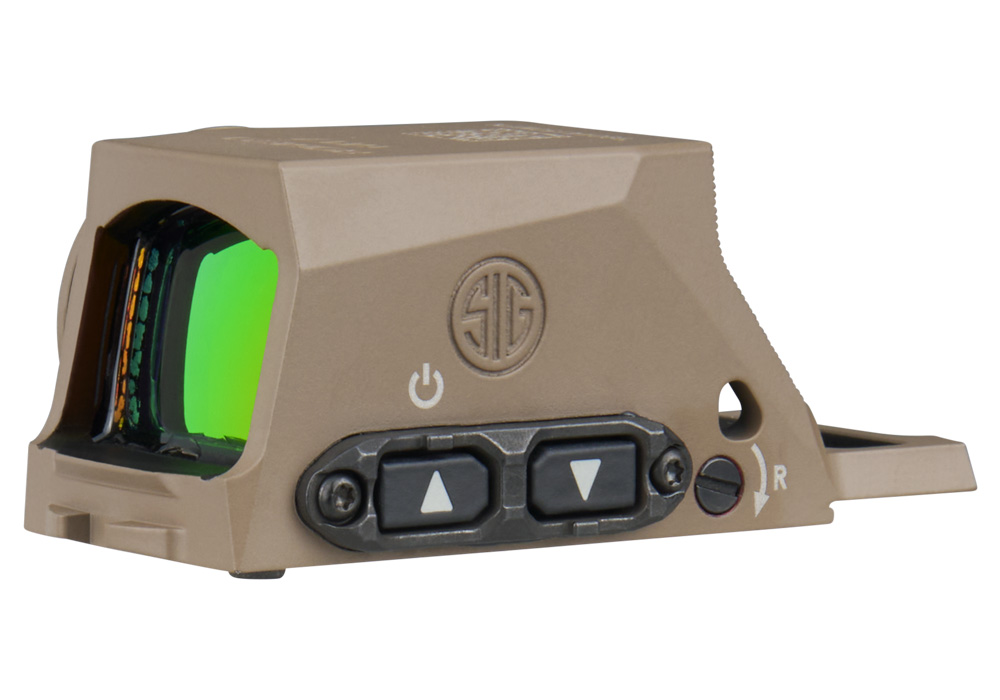
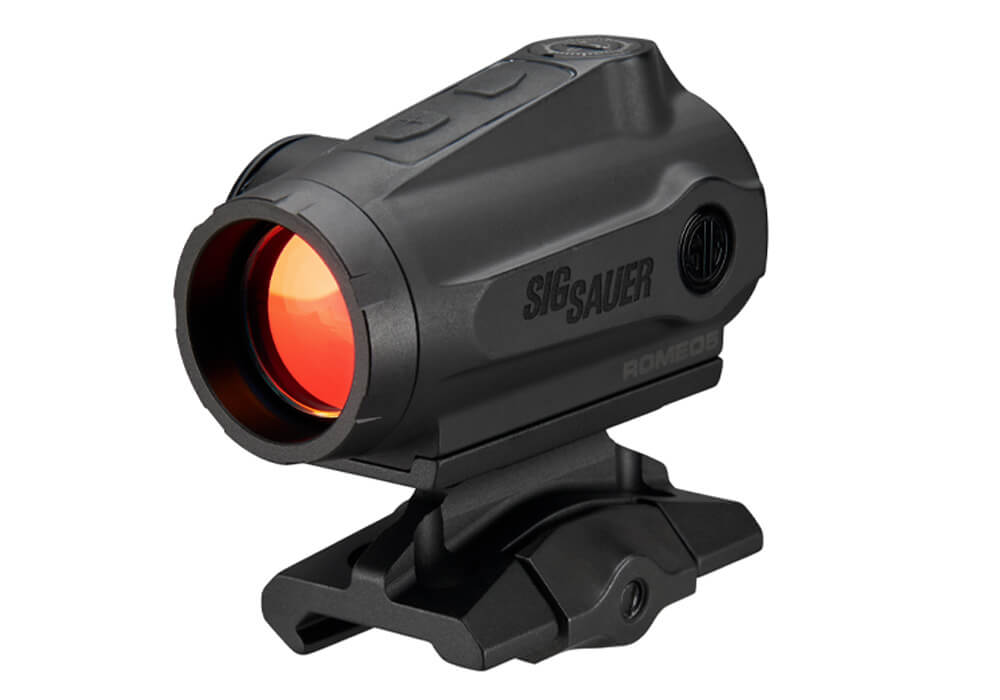
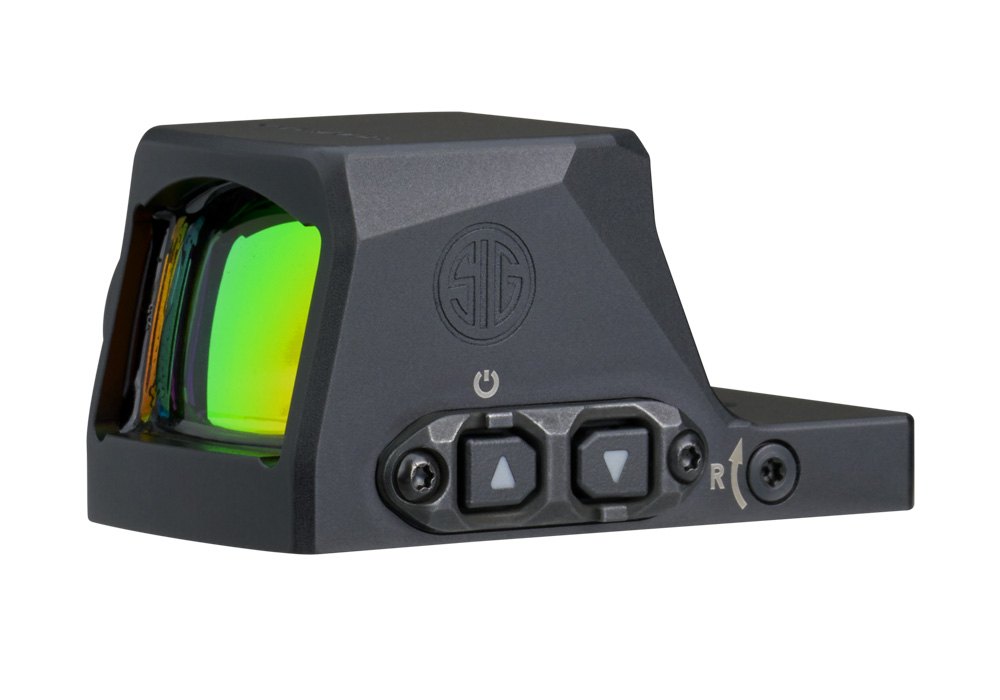
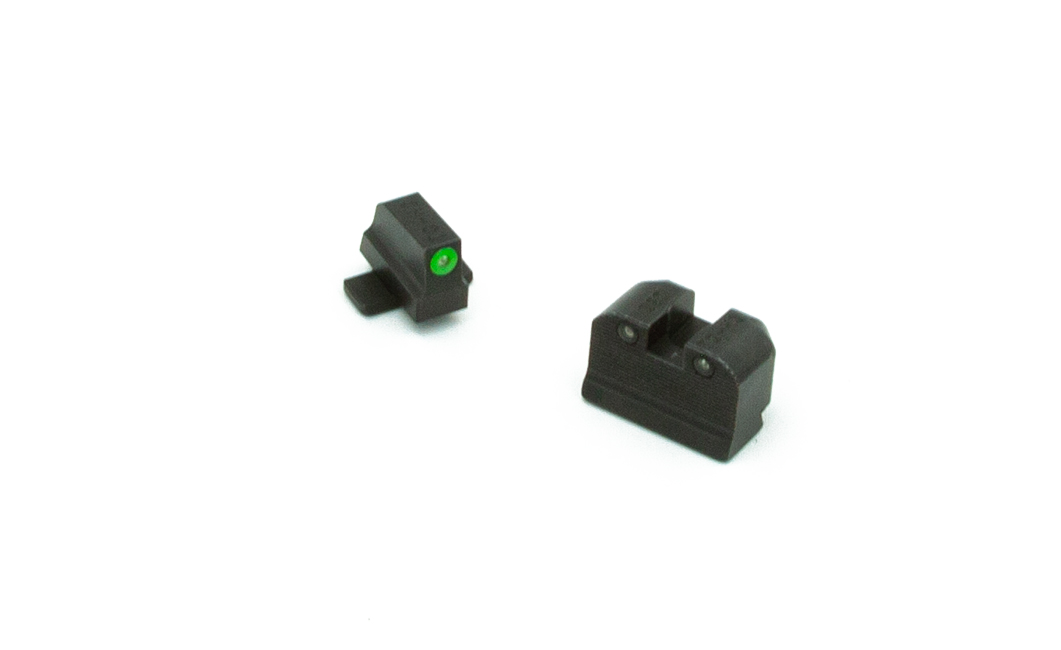
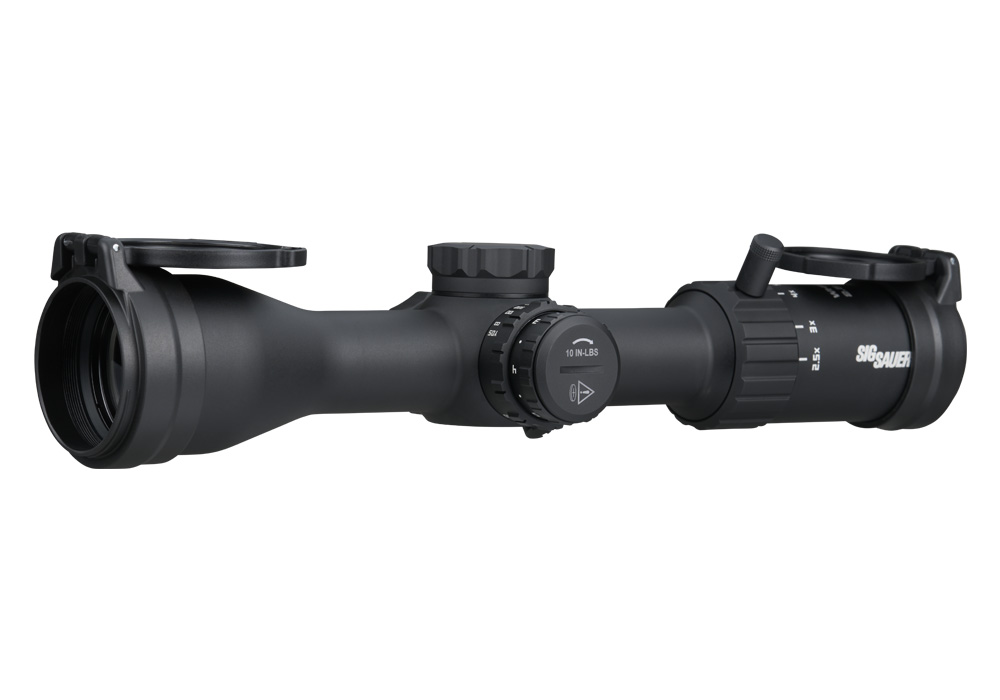
Illuminated optics are sights and riflescopes that use an internal light source to make an aiming point or reticle easier to see. Illumination helps the aiming reference stand out against dark, shaded, or visually busy backgrounds; it does not light the target or turn a conventional scope into a night-vision device. This distinction matters when comparing illuminated riflescopes, red dot sights, and prism sights, because each presents a different viewing experience. A red dot sight typically displays an illuminated aiming point without magnification, leaving more of the surrounding scene visible. A magnified riflescope brings distant details into closer view and may illuminate only the center of its reticle or a larger portion of the pattern. Many prism sights combine a compact optical system with an etched reticle that remains visible without illumination, although that feature depends on the design. For recreational target shooters, hunters, and competitors, the appeal is a clear aiming reference that suits the target, background, and intended activity. A fine illuminated center can remain distinct against the black center of a paper target, while a simple dot offers an uncluttered sight picture on a steel plate. Brightness range is as important as maximum output: excessive illumination can appear to bloom or obscure fine detail, while insufficient illumination can be difficult to distinguish against a bright background. Reticle color, line thickness, dot size, and the quality of the optical image all influence how comfortable the view feels. Individual eyesight also plays a role, and an illuminated point may look different through corrective lenses or to someone with astigmatism. Illumination and magnification are separate features, so a brighter reticle does not mean a closer view or greater image detail. The most useful combination is one that keeps the aiming reference visible without allowing it to dominate the scene.
Fit begins with the relationship between the optic, its mount, and the firearm. Mounting interfaces are not universal, and similar-looking attachment patterns can have different dimensions or hardware requirements. Rail compatibility, mounting footprint, clearance, and the manufacturer’s specified hardware all deserve attention before an optic becomes part of a setup. On a magnified scope, eye relief and the eye box affect how naturally a full image appears when the firearm is shouldered. A compact sight may offer more flexibility in viewing position, but its window size, mounting height, and control placement still influence everyday comfort. Weight and overall dimensions matter, too: an optic carried for an extended outing presents different priorities from one used primarily at a supported range station. Materials and construction help explain those differences. Aluminum housings are common because they balance strength with manageable weight, while protective finishes help resist surface wear from routine handling. Lens coatings can improve light transmission, reduce reflections, and support a clearer image, but the presence of coatings alone does not describe overall optical quality. Edge clarity, contrast, distortion, and consistency across the magnification range remain meaningful considerations. Durable illuminated optics also depend on secure internal components, dependable controls, and construction suited to the recoil of the intended firearm. Sealed housings can help protect internal surfaces from dust and moisture, though protection ratings should be read according to the manufacturer’s stated limits. Exposed or enclosed sight designs, protective caps, and turret construction each bring practical differences in access and protection. For a hunter, manageable weight and a readable reticle may carry particular importance; for a frequent range visitor, comfortable viewing and controls that are easy to distinguish may matter more. Illuminated sights belong within the broader category of Advanced Optics, where mechanical reliability, lens quality, and mounting compatibility remain essential alongside the illuminated display.
Power management and routine care are part of owning an illuminated optic, not secondary details. Battery type, compartment access, brightness controls, and automatic power features affect how conveniently a sight fits into regular use. Some designs allow battery replacement without removing the optic, while others require additional handling; that difference can influence maintenance time and the need to confirm that the sight remains properly aligned afterward. Published battery-life figures often reflect a particular brightness setting, so they are most useful when considered together with the stated test conditions. Motion activation, automatic shutoff, and manual controls serve different preferences, and a familiar control layout can be more valuable than a long list of features. Reticle visibility without power also varies. An etched reticle may remain usable when illumination is switched off, whereas many electronic dot sights depend on power to display their aiming reference. Care centers on preserving optical surfaces and keeping mounting components in sound condition. Before inspection or maintenance, the firearm should be unloaded and handled according to its manufacturer’s safety instructions. Loose grit is best removed before a lens is wiped, and cleaning materials should be appropriate for coated optical glass. Abrasive cloths, household cleaners, and unnecessary pressure can harm the surfaces responsible for a clear view. Protective covers and suitable storage help limit dust buildup and contact with other equipment, while periodic inspection can reveal worn hardware, damaged seals, or a battery compartment that needs attention. For someone choosing an optic as a gift, knowing the recipient’s firearm interface, preferred shooting activity, and viewing preferences is more useful than choosing by appearance alone. An experienced competitor may have very specific requirements, while a recreational shooter may place greater value on simplicity and comfortable viewing. Across these uses, illuminated optics offer a distinct benefit: an aiming reference that can remain easy to distinguish when a plain reticle becomes difficult to see, supported by the fit, construction, and care needed for dependable ownership.