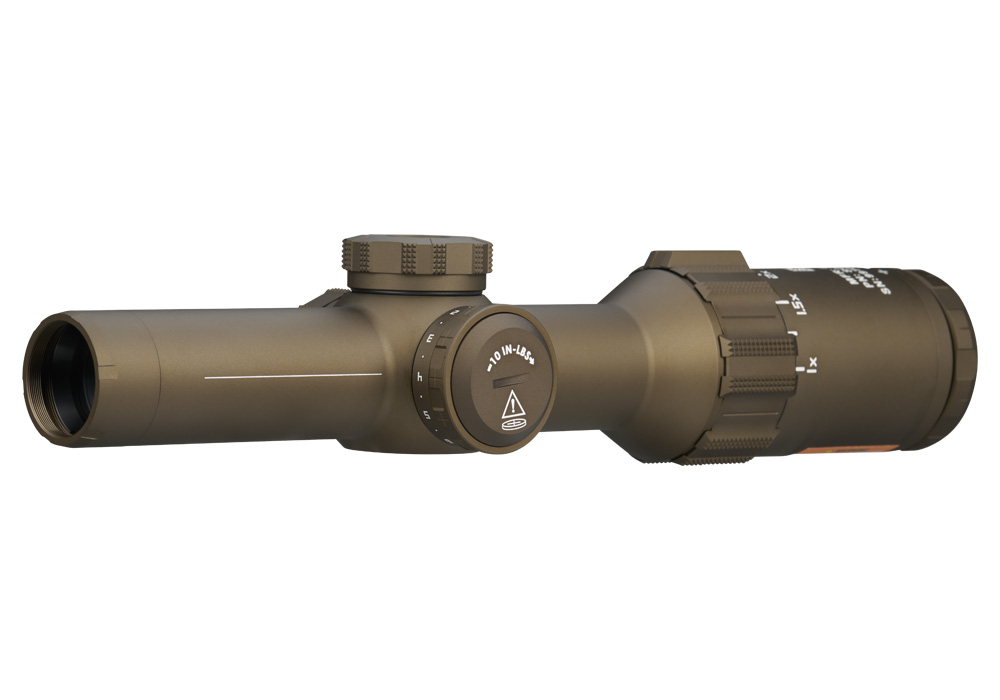
MOA reticles have long been a trusted tool for shooters who value accuracy, consistency, and ease of use when it comes to making precise adjustments at varying distances. The defining feature of an MOA reticle is its system of hash marks or dots, each spaced at exact angular intervals—typically 1 minute of angle (MOA), which translates to just over an inch at 100 yards. This makes MOA reticle scopes especially intuitive for those who prefer working with inches and yards, as the measurements align closely with the imperial system. Whether you’re sighting in at the range during the warmer months or preparing for hunting trips as the weather cools, the clarity and precision offered by an MOA scope reticle can make a noticeable difference. These reticles allow for rapid holdover and windage calculations, enabling shooters to compensate for bullet drop or shifting wind without taking their eyes off the target or losing precious seconds dialing turrets. For those who enjoy spending long afternoons at the bench, fine-tuning their shots, the ability to make quarter-inch adjustments at 100 yards with paired MOA turrets means every detail is under your control.
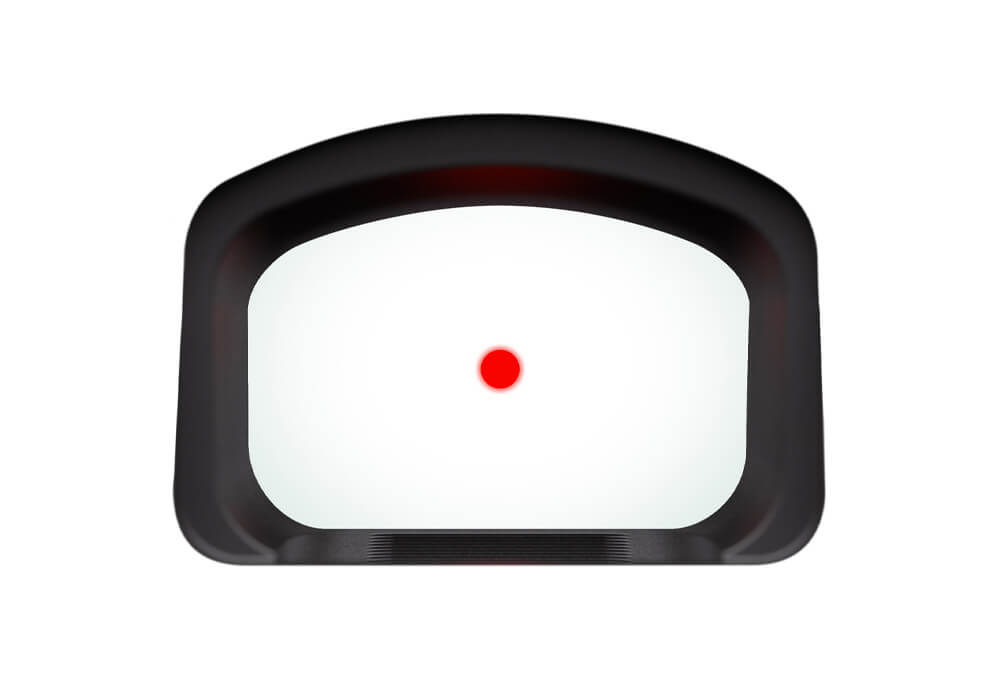
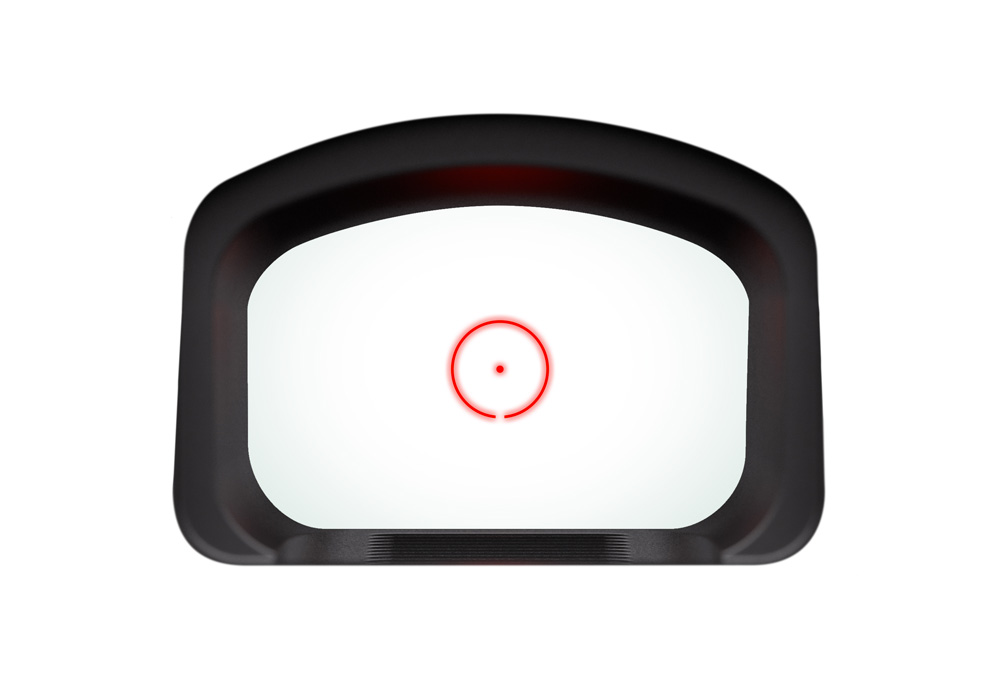
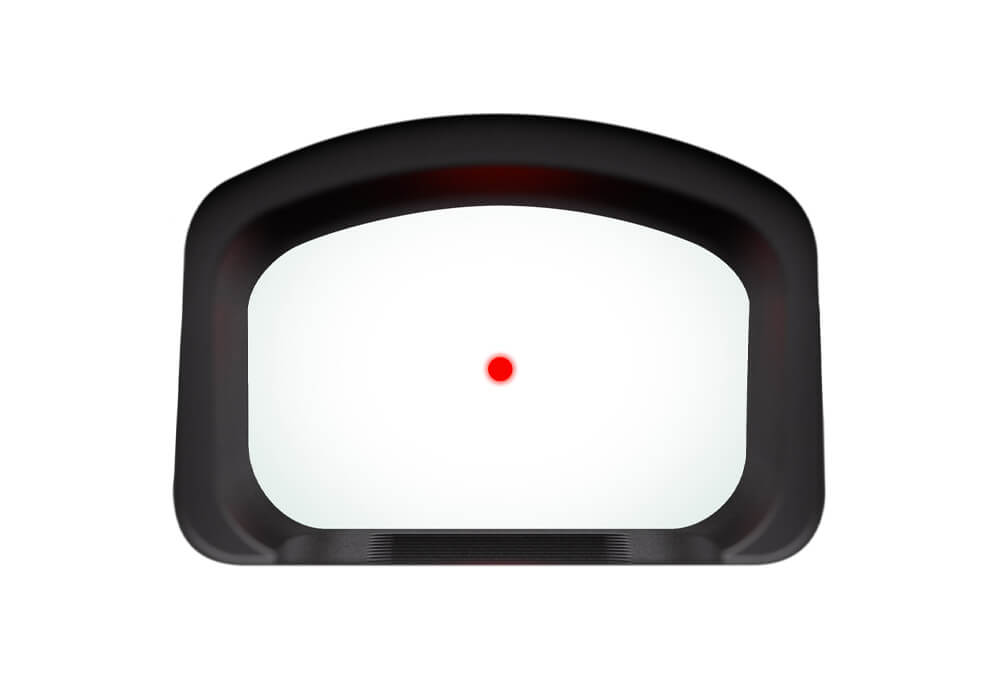
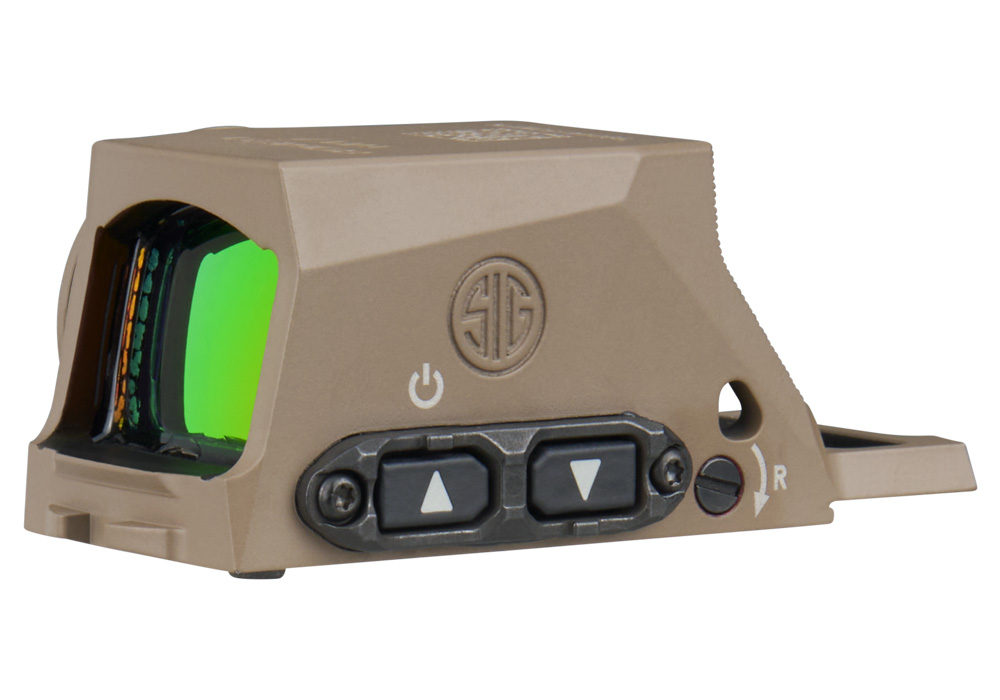
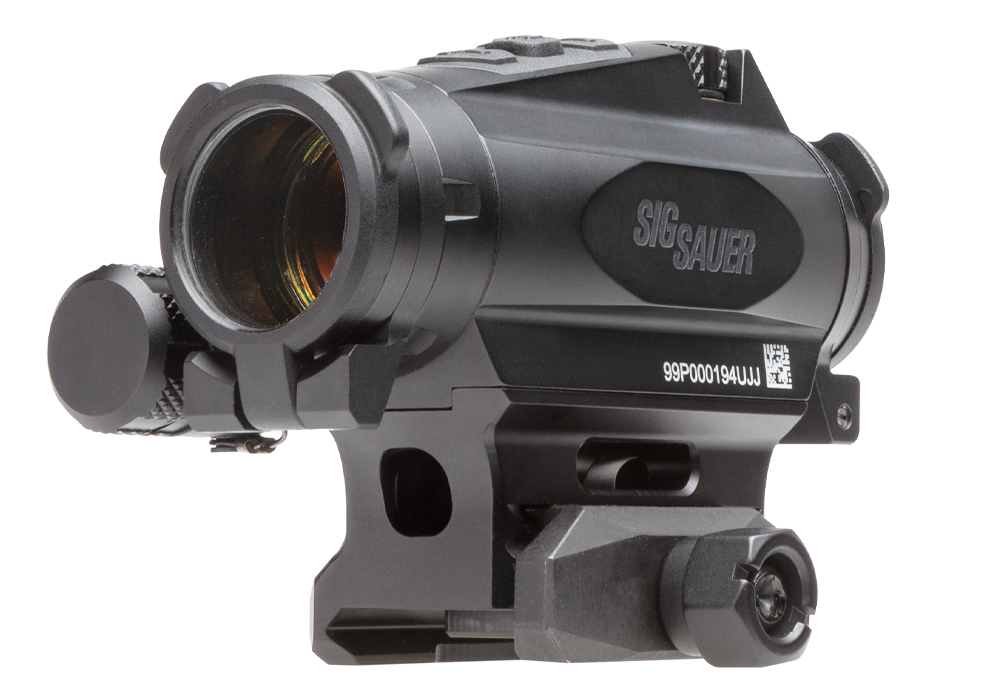
MOA reticles are a favorite among American hunters, long-range shooters, and recreational marksmen who want a reticle system that feels familiar and practical. They’re also a thoughtful gift for anyone just getting into precision shooting, as the learning curve is gentle and the system is easy to explain—ideal for a friend or family member looking to upgrade their optics before hunting season or a summer shooting trip. The versatility of an MOA reticle scope shines whether you’re glassing for game in the early fall, zeroing in on targets during a summer competition, or teaching a newcomer the basics of marksmanship. The hash marks serve as reliable reference points for estimating range, compensating for environmental factors, and making quick, accurate shots in the field. For those who prefer a streamlined aiming solution, compact optics with MOA-based adjustments—like red dot sights with a precise 1 MOA dot—offer fast target acquisition and clear aiming points, making them a popular choice for both tactical applications and dynamic shooting sports. If you’re interested in exploring these options further, take a look at our selection of 1 MOA Red Dot Optics.
When considering a new optic with an MOA reticle, think about your typical shooting scenarios and the features that matter most to you. For those who hunt across open fields as the landscape transitions from summer green to autumn gold, a scope with a clear, uncluttered MOA reticle can help track moving game and adjust quickly for distance. Competitive shooters and range enthusiasts often appreciate the fine subtensions and the ability to make precise, repeatable adjustments, especially when shooting at longer ranges or under varying conditions. The MOA system’s straightforward math—where each increment is easy to translate into real-world adjustments—makes it accessible for shooters of all experience levels. Whether you’re fine-tuning your setup for the upcoming season, searching for a practical gift for a shooting partner, or simply looking to enhance your own accuracy and confidence behind the trigger, MOA reticles offer a blend of tradition, innovation, and reliability that stands the test of time.