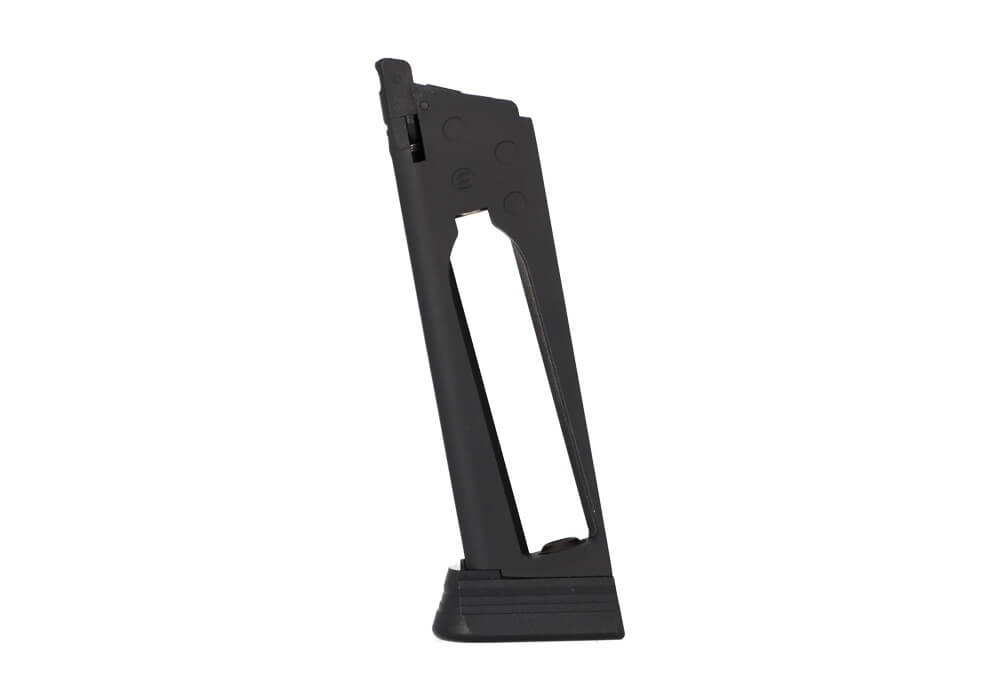
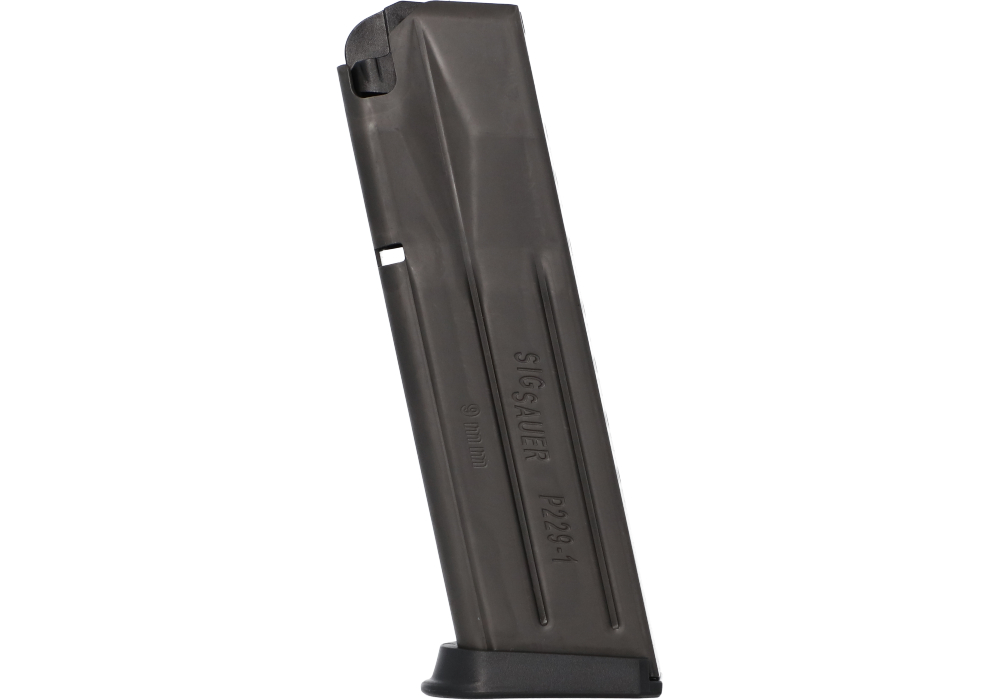
Replacement magazines are ammunition-feeding components selected to match a firearm’s model, chambering, and configuration. They provide a practical replacement for worn magazines and a way to keep spares organized for range practice, recreational shooting, and other lawful sporting activities. A magazine holds cartridges and presents them for feeding, but its suitability depends on much more than its overall appearance. Body dimensions, feed-lip geometry, follower design, and the location of the magazine catch interface all contribute to compatibility. Two magazines can look nearly identical and still serve different firearm generations or frame sizes. The most useful starting point is the firearm manufacturer’s documentation, followed by the compatibility information supplied for the magazine. Model family alone is not always enough: the exact chambering, frame configuration, and any stated generation requirements deserve equal attention. A compact grip and a full-size grip may have different fit requirements, even within the same broader platform. Baseplate shape also matters, particularly when the grip incorporates a flared opening or another feature that affects how the magazine seats. Physical insertion by itself does not establish that a magazine is appropriate for a firearm. Replacement magazines should match the manufacturer’s stated requirements rather than depend on an improvised fit. Factory and aftermarket options both require that same careful comparison; neither a familiar appearance nor a broad compatibility claim replaces an explicit match. For someone replacing a heavily used range magazine, confirming those details helps preserve a familiar fit and handling feel. For someone organizing equipment across several firearms, clear model information helps prevent similar-looking magazines from becoming mixed together. Keeping the original documentation or a simple identification record with stored equipment can make later replacement decisions less confusing. The result is a selection based on documented compatibility and intended use, not guesswork about which component looks close enough. That distinction matters whether a magazine will see frequent practice or remain a carefully maintained spare.
Materials and construction influence how replacement magazines feel, wear, and respond to routine handling. Steel bodies can provide rigid construction with relatively thin walls, while polymer bodies offer a different balance of weight, surface texture, and resistance to certain forms of corrosion. Some designs combine materials, using reinforcement or separate components where the design calls for them. No single material guarantees better performance across every firearm platform; dimensions, manufacturing consistency, and compatibility remain essential. Surface finishes can help protect metal, but repeated contact with a grip, storage pouch, or range bag may leave visible marks. Cosmetic wear is different from a cracked body, a distorted opening, or another change that calls the component’s condition into question. Feed lips, followers, springs, and baseplates each serve a distinct purpose, and their condition matters more than a uniformly fresh appearance. The follower supports the cartridges, the spring supplies upward pressure, and the baseplate retains the internal assembly according to the magazine’s design. A well-matched replacement brings those elements together as a complete unit rather than treating them as interchangeable across unrelated models. Baseplate contours also affect everyday handling. A flush-fitting profile can preserve the grip’s original outline, while a projecting baseplate may change how the firearm rests in a fitted case or how the magazine fits an existing pouch. Those small differences become noticeable when equipment is packed for a range visit or stored in compartments sized for an earlier magazine. Durability is best considered in that practical context: repeated insertion, transport, cleaning, and storage all contribute to wear over time. A finish described as corrosion resistant still benefits from appropriate care, and a polymer body still warrants inspection for damage. For frequent recreational shooters, consistent construction and clearly documented fit are more useful considerations than broad promises of universal compatibility. For occasional users, straightforward identification and care requirements can be just as valuable. The best choice suits the firearm and the owner’s routine without requiring alterations or assumptions about how unrelated components will work together.
Care for replacement magazines begins with the manufacturer’s instructions, since cleaning methods, acceptable solvents, and lubrication requirements vary by design. Residue, lint, and loose debris can collect during ordinary use and transport, especially when magazines share space with other range equipment. Cleaning should address that contamination without introducing products or methods the manufacturer advises against. Excess oil is not a substitute for maintenance, and a magazine should not be assumed ready for use simply because its exterior looks clean. Any inspection or maintenance belongs in a safe setting with the firearm unloaded and ammunition kept separate from the work area. Damaged feed lips, cracks, corrosion, or unusual follower movement warrant attention from the manufacturer or a qualified professional rather than attempts to reshape or modify the component. Persistent seating or feeding problems can involve more than the magazine, so replacing parts without identifying the cause may not resolve the issue. The magazine and the magazine release also perform different jobs: one contains and presents ammunition, while the other retains and releases the magazine within the firearm. For that separate component category, Replacement Magazine Releases provides a related place to continue browsing, with its own compatibility requirements. Between uses, secure storage helps protect magazines from contamination, unauthorized access, and unnecessary contact with other equipment. Labels or dedicated compartments can help distinguish magazines assigned to different firearms without relying on memory alone. Replacement magazines can also be a thoughtful, practical gift for an experienced firearm owner, provided the recipient’s exact compatibility requirements and applicable legal restrictions are confirmed beforehand. A general description such as “compact handgun” is not enough information for a dependable match. State and local rules may affect which magazines can lawfully be purchased, possessed, or transferred, making those requirements part of responsible selection. Across routine practice, equipment upkeep, and gift decisions, documented fit, sound condition, and appropriate care remain the most useful foundations for choosing replacement magazines.