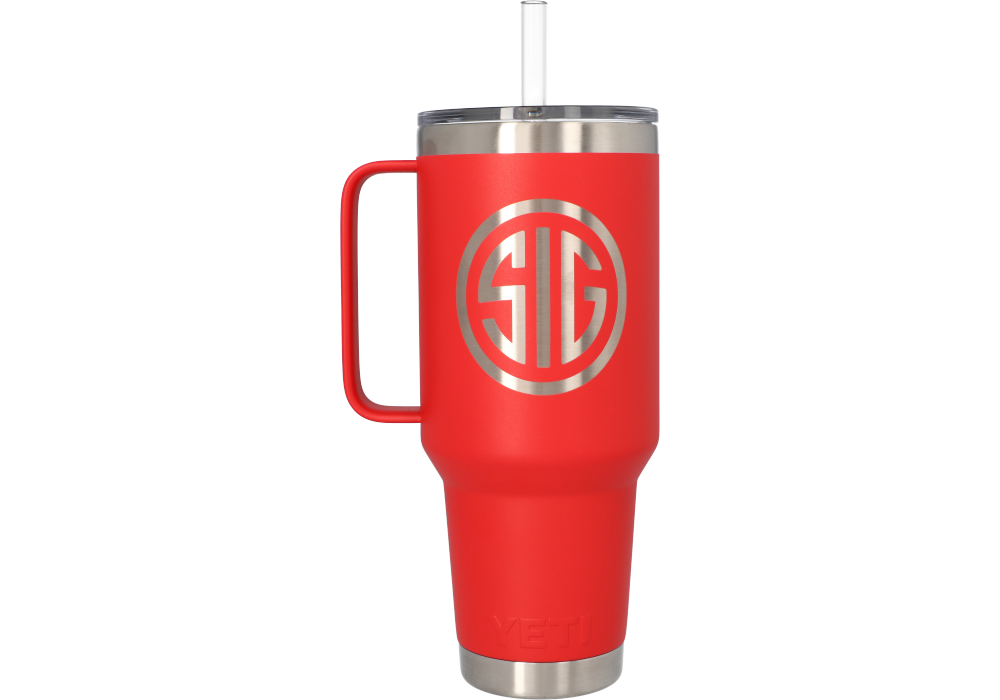
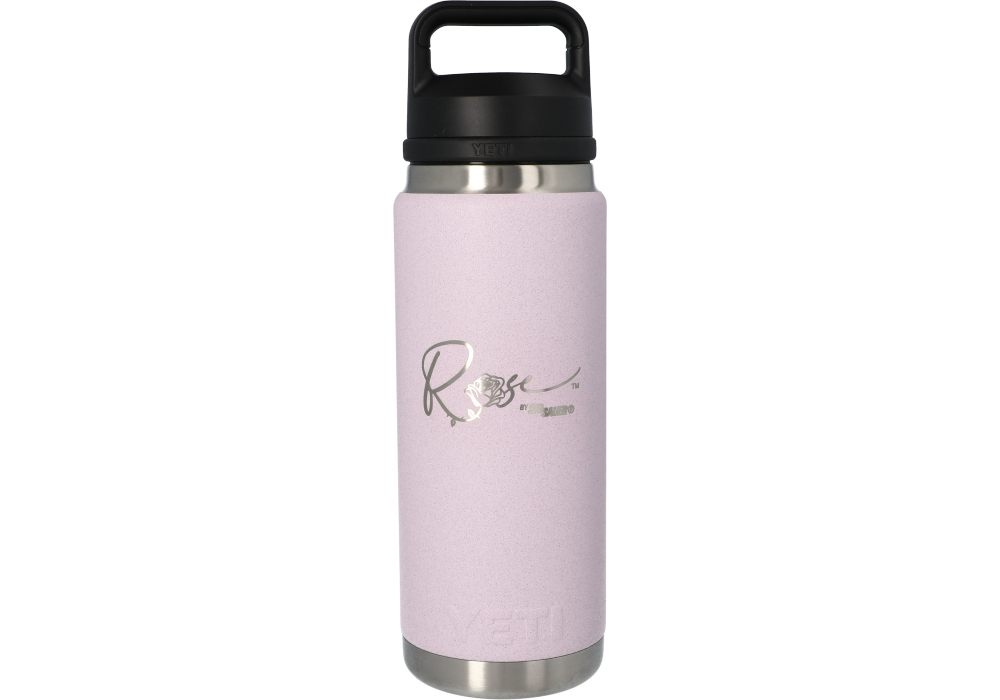
Reusable water bottles make it easier to keep water within reach at work, on the trail, during workouts, while traveling, or throughout a busy day of errands. The best choice depends less on appearance than on how and where the bottle will be used. Stainless steel bottles are a popular option for daily use and outdoor activities because insulated designs can keep water cold for hours, while single-wall steel offers a lighter, slimmer alternative for people who do not need temperature retention. Durable plastic bottles are often valued for their low weight, affordability, and resistance to breakage, making them practical for gym bags, school backpacks, commuting, and extended time outdoors. Glass bottles can provide a clean, neutral taste and are appealing to people who prefer to avoid lingering flavors, though they are generally heavier and require more care around hard surfaces. Capacity is another important consideration. A smaller bottle is easy to carry on a short walk or keep beside a keyboard, while a standard or extended capacity can reduce the number of refills during a hike, road trip, work shift, or long training session. Shape matters as well: a wide opening makes it easier to add ice and clean the interior, whereas a narrow profile may fit more securely in a vehicle cup holder or side pocket. Look for a comfortable grip, a secure lid, and a drinking opening that suits your routine. A leak-resistant cap is especially useful when the bottle travels in a backpack with a laptop, camera, or extra clothing. Handles, carry loops, and compatible sleeves can make a full bottle easier to transport, while a stable base helps prevent spills on a desk, camp table, or locker-room bench. People who spend time outside may appreciate insulation and rugged construction, while runners, cyclists, and gym users may prefer a lightweight bottle that is quick to open and easy to carry. For office workers and commuters, understated finishes and dependable sealing can make the bottle feel like a natural part of the daily routine. Reusable water bottles also make useful gifts for students, travelers, hikers, new employees, athletes, and anyone building a more consistent hydration habit. A thoughtfully chosen bottle can accompany its recipient through cool morning walks, warmer afternoons on the road, and the indoor routines of the cooler months, giving a practical gift lasting value rather than a single-use convenience.
Material, lid design, maintenance, and personal habits all influence how well a reusable water bottle performs over time. Insulated stainless steel is well suited to people who enjoy chilled water for hours, particularly during outdoor activities or long commutes, but it may weigh more than plastic when filled. Plastic is typically lighter and can be a sensible choice for high-movement activities, children, travel, and anyone who wants a bottle that is less concerning around occasional drops. Glass is appreciated for its clean drinking experience, although many glass models include protective sleeves and still deserve careful handling. A bottle should feel comfortable when full, since a design that is difficult to lift or carry is less likely to be used consistently. Consider the lid carefully: a screw-top can create a dependable seal, a flip-top may offer quick access, and a straw-style opening can be convenient during workouts or while driving, provided it can be thoroughly cleaned. Some users prefer a wide mouth for ice cubes and powdered drink mixes; others find a narrower opening more comfortable for sipping while walking. Measurement markings can help with tracking water intake, and a replaceable gasket or lid can extend the useful life of the bottle when those small parts eventually wear. Cleaning is essential for keeping water tasting fresh. Wash the bottle daily when it is used regularly, using warm water, dish soap, and a bottle brush that reaches the bottom and the area beneath the lid. Pay particular attention to threads, seals, straws, and mouthpieces, where moisture can remain after drinking. Some stainless steel and plastic bottles are dishwasher safe on the top rack, but manufacturer care instructions should always take priority, especially for insulated construction, painted finishes, or bottles with multiple lid components. Glass can often be cleaned thoroughly in a dishwasher when approved by the manufacturer, though protective sleeves and caps may require separate care. Allow every part to dry completely before reassembly, and avoid storing a damp bottle closed for long periods. Persistent odors, deep scratches, cracks, severe dents, or visible corrosion are signs that a bottle or one of its components may need to be replaced. With attentive cleaning and sensible handling, a well-made stainless steel bottle can remain useful for many years, while plastic may show heavier wear sooner depending on exposure to heat, impact, and frequent washing.
Choosing among reusable water bottles is ultimately a matter of matching the design to the moments when hydration tends to be overlooked. Someone leaving before sunrise for a hike may value an insulated bottle filled with ice, while a person moving between meetings may need a slim shape that slips into a work bag without adding bulk. At a fitness center, a lightweight bottle with a dependable quick-access lid can be easier to manage between sets; at a campsite, durable construction, a broad opening, and a secure cap may matter more than a minimal profile. Families may appreciate simple cleaning and spill resistance, while frequent travelers often look for a bottle that is easy to empty before security screening and refill afterward. During the cooler months, a reusable bottle can stay close at a desk, in a vehicle, or beside a favorite chair, helping make regular hydration part of the day even when thirst is less noticeable. For hot afternoons and active weekends, insulation, a comfortable carry loop, and enough capacity for the planned outing can make a meaningful difference. Many people also pair a reusable water bottle with a travel tumbler or Reusable Mugs for a flexible drinkware setup that covers cold water, coffee, tea, and other beverages. Before selecting a bottle, think about the places it will go, how often it will be cleaned, whether it needs to fit a cup holder or backpack pocket, and how much weight feels comfortable when full. A dependable seal, durable materials, easy-to-maintain components, and a size suited to the user’s routine are often more valuable than extra features. The right reusable water bottle becomes an unobtrusive daily companion: present on a morning commute, tucked beside a training mat, resting in a pack during a wooded walk, or waiting on the kitchen counter for the next refill.