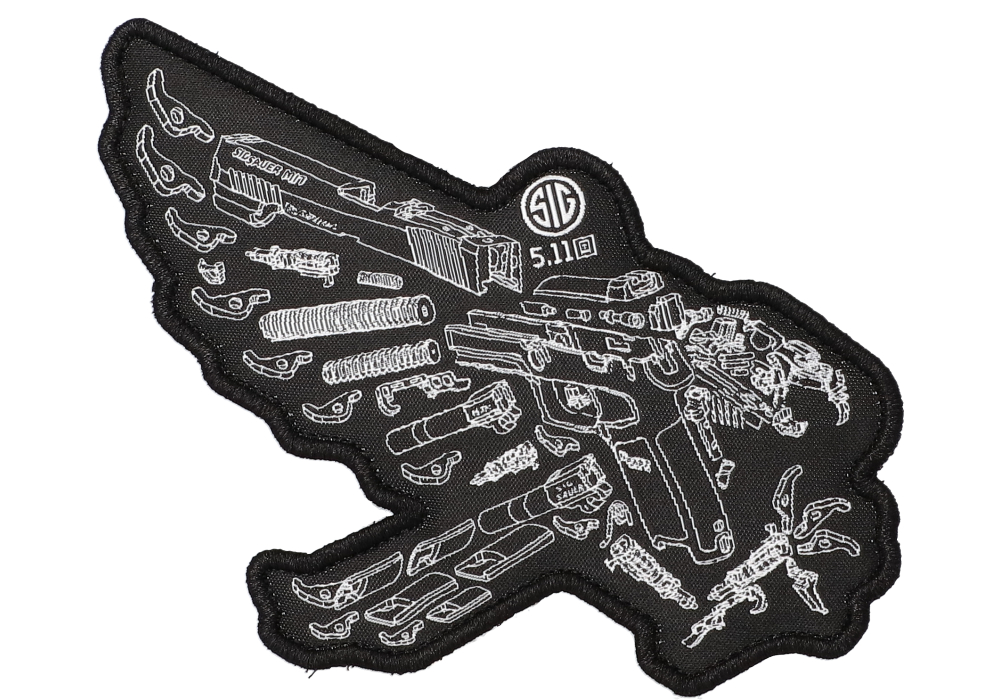
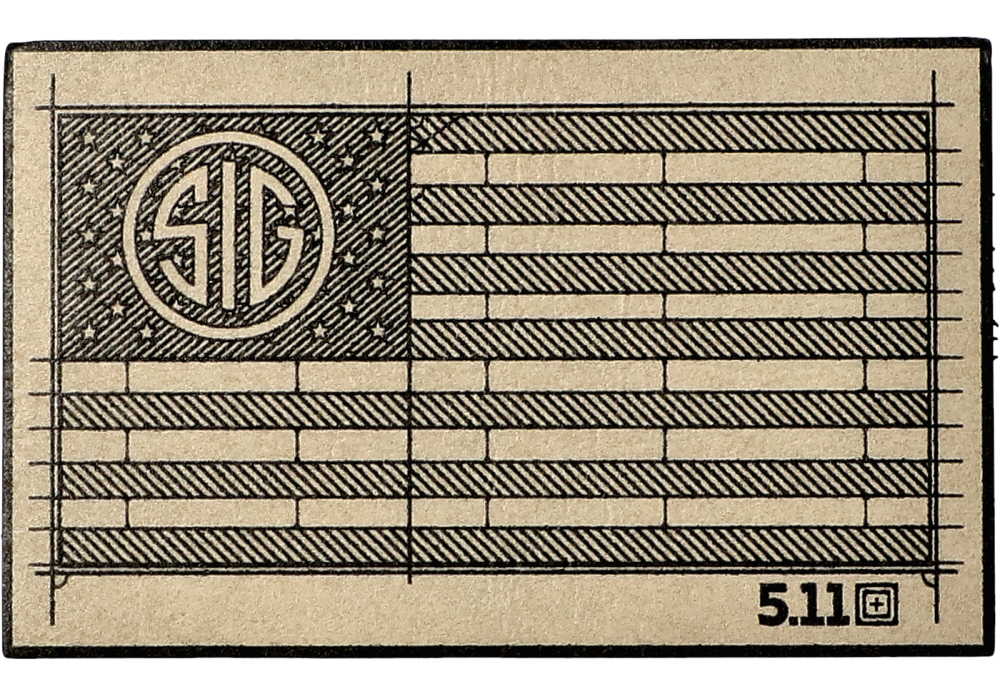
Vest patches add identity, texture, and a personal finishing touch to motorcycle vests, tactical carriers, utility vests, and other compatible outer layers. Their designs can express a shared interest, mark a group affiliation, display a flag, or bring a little humor to everyday gear. A small patch on a chest panel creates a different impression from a large design centered across the back: one is a subtle detail noticed in conversation, while the other becomes part of the garment’s overall character. Embroidered patches offer the raised texture and familiar stitched appearance often associated with club vests and keepsake apparel. Woven designs can accommodate finer lines and smaller lettering, while flexible molded materials can give graphics a pronounced, dimensional surface. Printed designs provide another approach when an image relies on detailed artwork or color transitions. Each construction has its own visual character, so the appeal goes beyond the design itself. Thread, edge treatment, surface texture, and backing all influence how a patch looks against leather, canvas, nylon, or another vest material. A dark design can blend into a subdued setup, while strong contrast helps lettering remain readable against a busy background. Motorcyclists may use patches to reflect community and miles traveled; range visitors and outdoor enthusiasts may prefer compact designs that personalize a compatible loop panel. Collectors often appreciate artwork that connects with a hobby, a memorable gathering, or a particular chapter of life. Some vests develop their character slowly, with individual patches joining the garment over time rather than arriving as a matching arrangement. That mix of textures, sizes, and personal associations is part of the appeal. Whether the goal is a single understated accent or a fuller arrangement, vest patches work best when their proportions and purpose feel connected to the garment rather than simply filling every open space.
The relationship between a patch and its vest begins with the attachment method. Hook-backed patches are suited to compatible loop fields and allow designs to be exchanged without stitching through the garment. A secure match depends on more than the patch fitting somewhere on the panel: the backing should sit fully against the loop surface, with edges supported instead of extending beyond it. An unsupported corner can curl or catch against a bag strap, seat, or nearby equipment. Sew-on patches offer a more permanent connection on garments suitable for stitching, with the thread and stitching pattern contributing to the finished appearance. Heat-activated and adhesive backings have different requirements, and neither should be assumed suitable for every material. Leather finishes, synthetic fabrics, linings, and protective components may react differently to heat, pressure, adhesives, or needle holes. The vest manufacturer’s care and alteration guidance is especially important for protective apparel and carriers, where decorative changes should not interfere with the garment’s intended function. Size also deserves attention beyond the listed width and height. A patch that lies comfortably on a broad back panel may feel crowded near a narrow shoulder or curved chest pocket. Zippers, pocket openings, adjustment straps, ventilation areas, and closures still need room to function. On a working setup, a patch should remain clear of handles, buckles, and equipment access points. On a casual vest, placement can follow the garment’s seams and proportions for a cleaner result. A paper outline can help show how a design’s dimensions relate to a panel before any permanent attachment takes place. Lettering size matters, too: an intricate phrase that looks clear close up may read as texture from several feet away. These practical details give the finished arrangement an intentional feel, whether a vest carries one meaningful emblem or a collection gathered over years.
Durability comes from the combination of construction, attachment, and everyday treatment. Dense stitching can give an embroidered design a substantial feel, but exposed threads can still snag when rubbed against rough surfaces. Finished borders help define the outline, while corners and narrow extensions deserve particular attention because they are often the first areas to lift or catch. Flexible molded patches have a different feel from textile versions, and their surfaces may be easier to wipe clean, although cleaning methods should always follow the patch and garment instructions. Gentle spot cleaning is often more appropriate than aggressive scrubbing, especially around threadwork, printed details, and attached edges. Strong solvents, abrasive brushes, and unnecessary heat can affect colors, finishes, or backing materials. Removable patches may need separate care from the vest itself, and keeping hook backing away from delicate fabric helps prevent snags during storage. For frequently worn gear, occasional attention to loose stitching, lifted corners, or lint in the attachment surface helps preserve a tidy appearance. The same attention to scale, attachment, and everyday wear applies to Patches For Clothing, whether the surface is a vest panel, a jacket sleeve, or a bag with a compatible attachment area. As gifts, vest patches can be personal without requiring an entire garment to match someone’s size, but the recipient’s style and attachment setup still matter. A compact design for a familiar hobby may suit someone who prefers restrained gear, while a bolder graphic may fit a collector who enjoys building a more expressive vest. Knowing whether the recipient uses a loop panel or prefers sewn details makes the choice more useful. Group symbols and role-related markings also carry meaning, so designs should reflect genuine connections rather than imply an affiliation or qualification the wearer does not hold. The strongest choices combine that personal relevance with suitable materials, readable artwork, and a comfortable fit on the intended surface. Over time, a well-considered patch becomes more than decoration: it becomes a recognizable detail on a familiar vest, associated with the places it has been and the person who wears it.