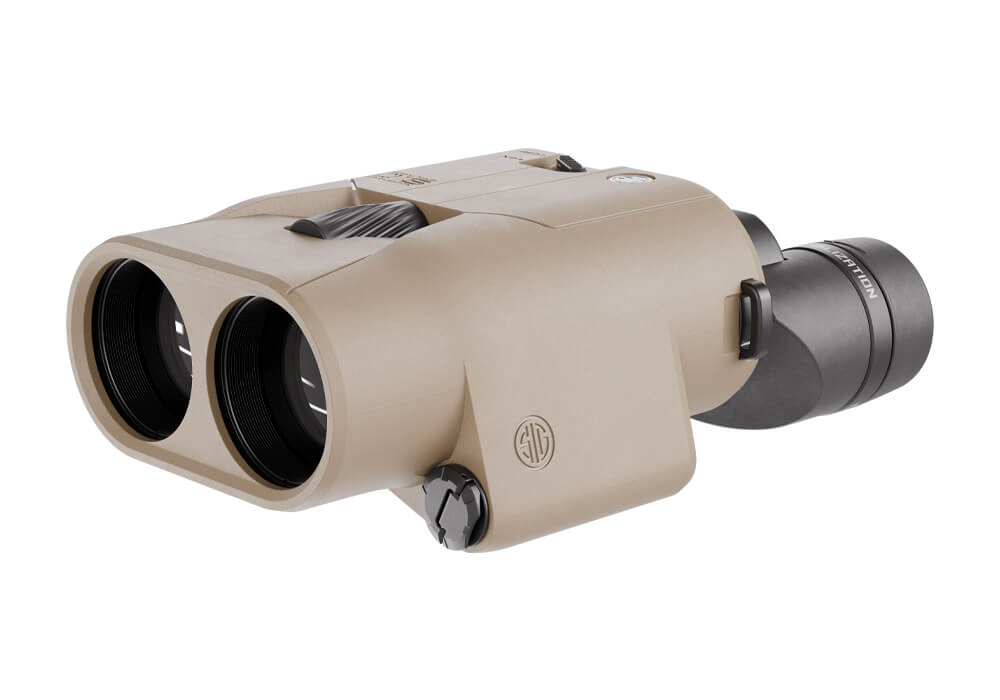
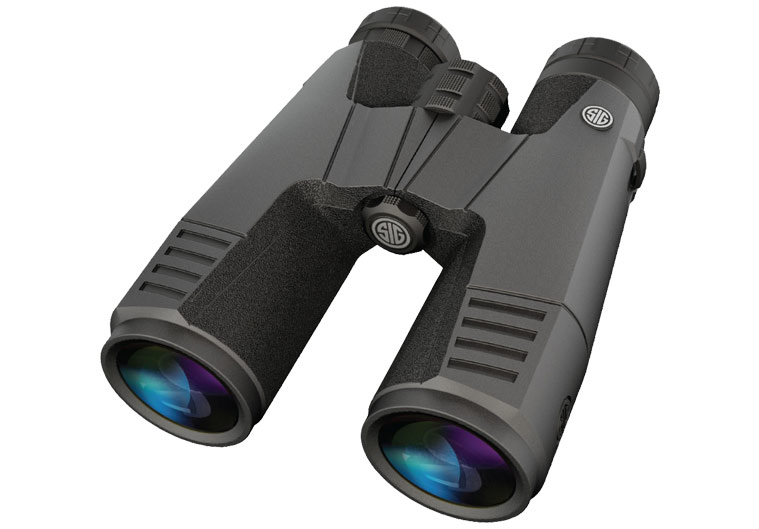
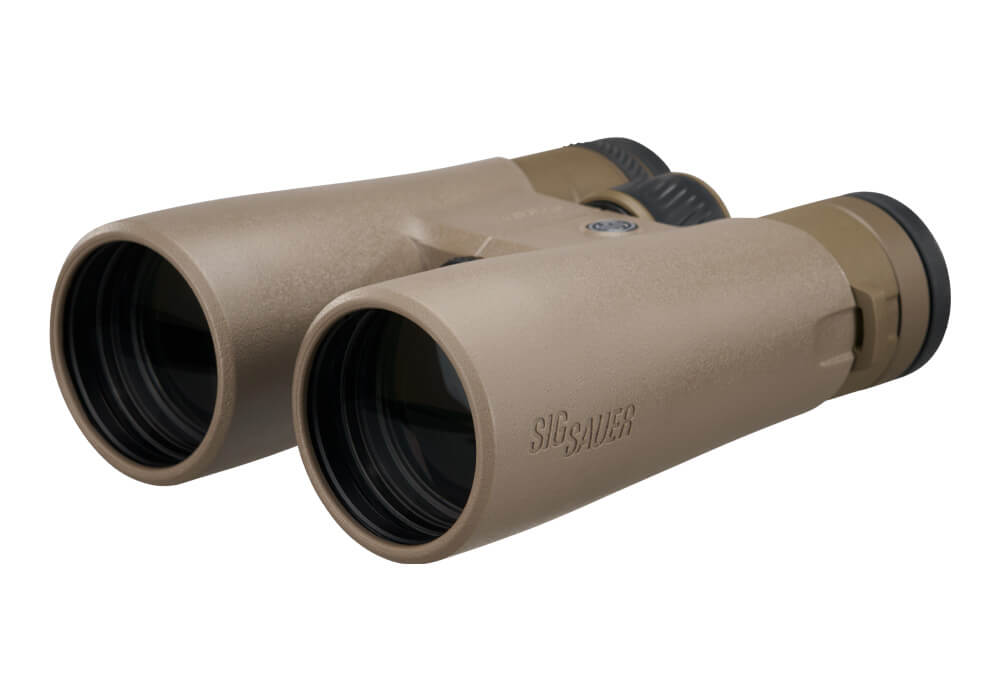
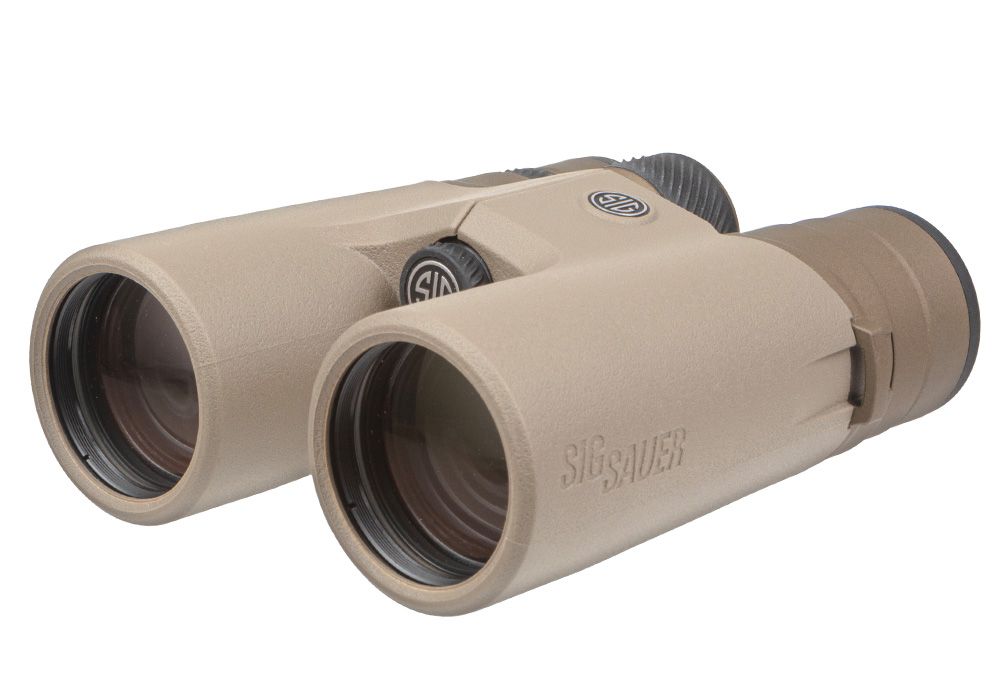
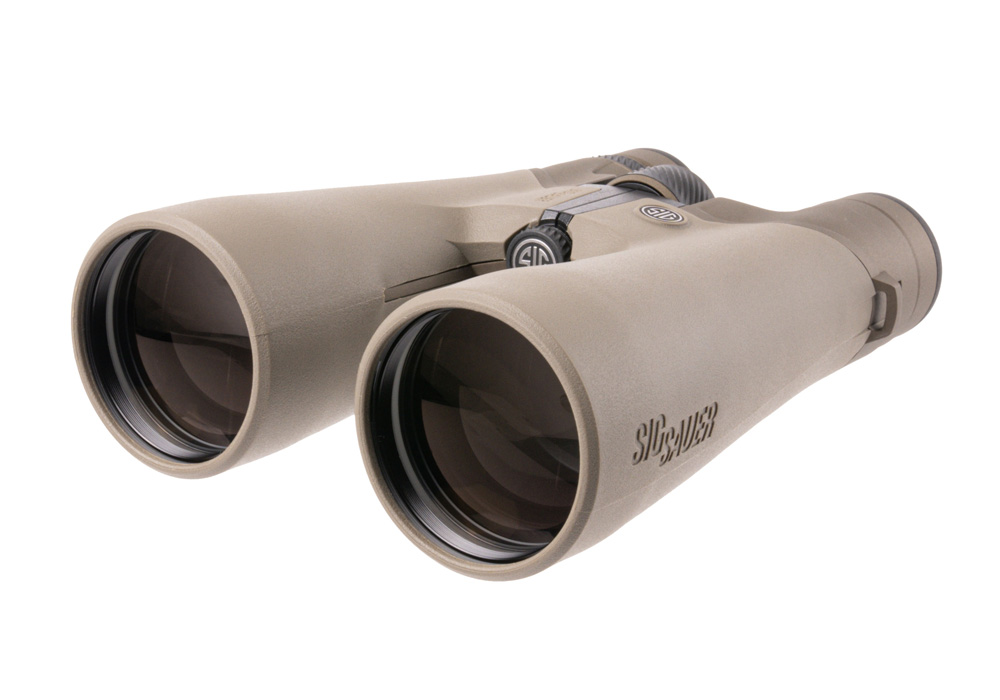
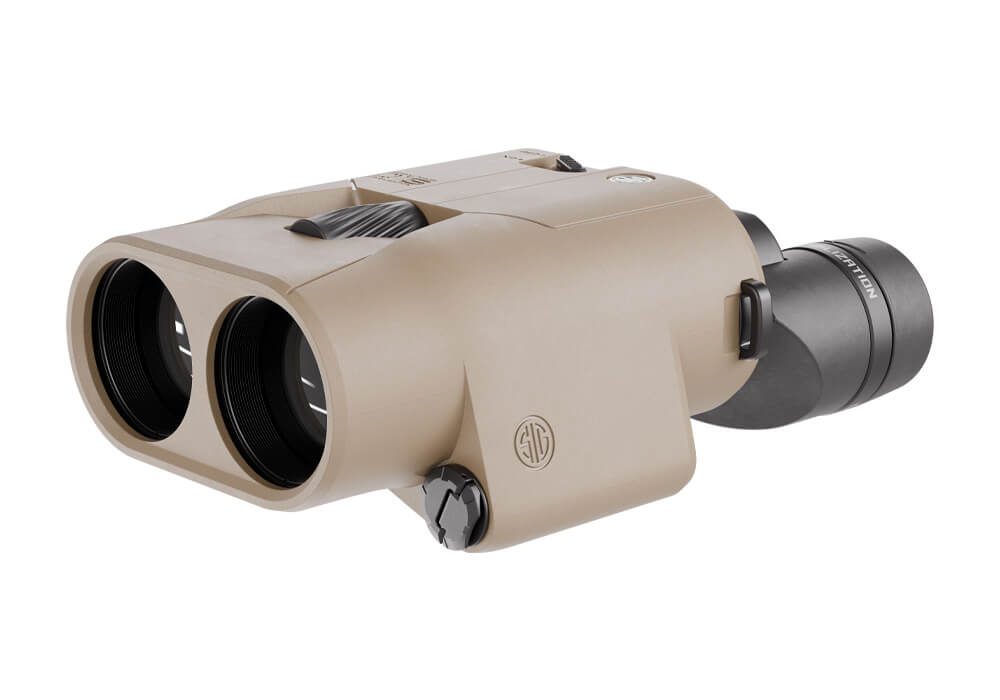
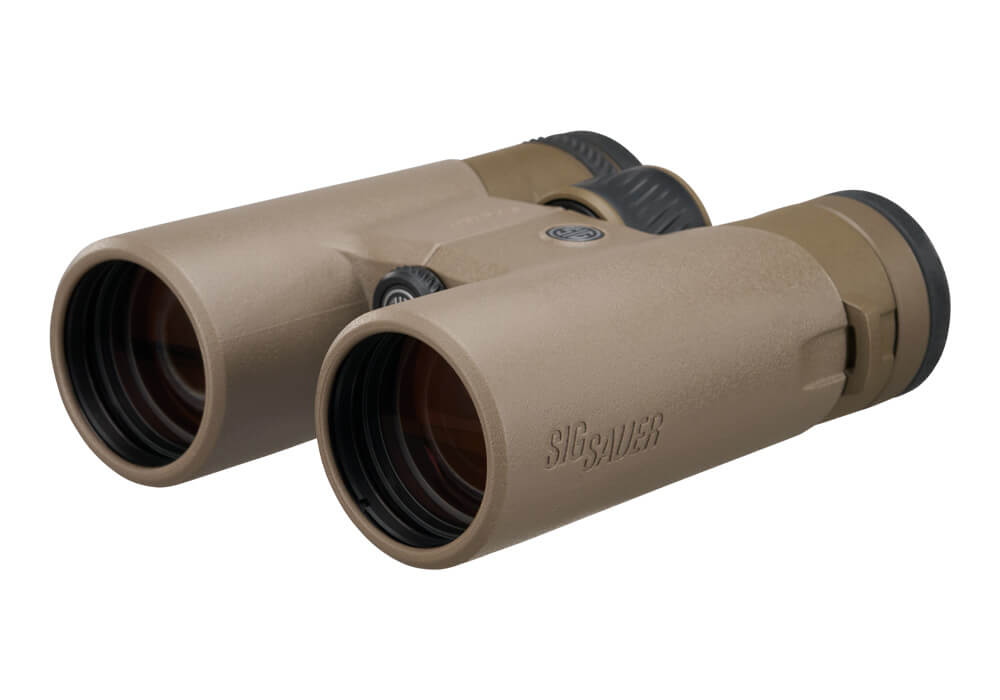
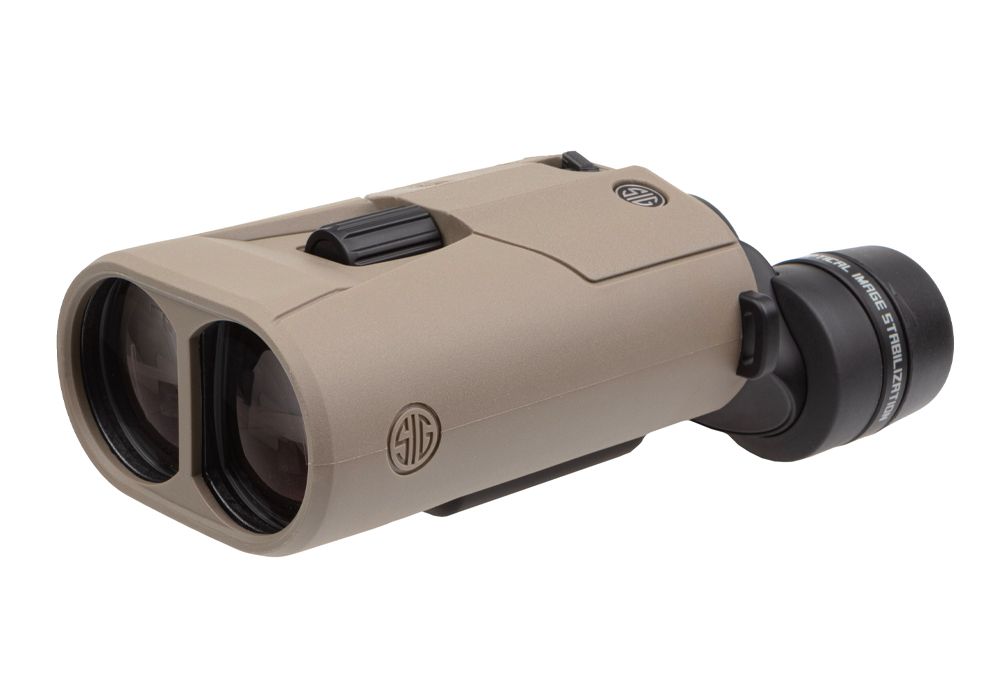
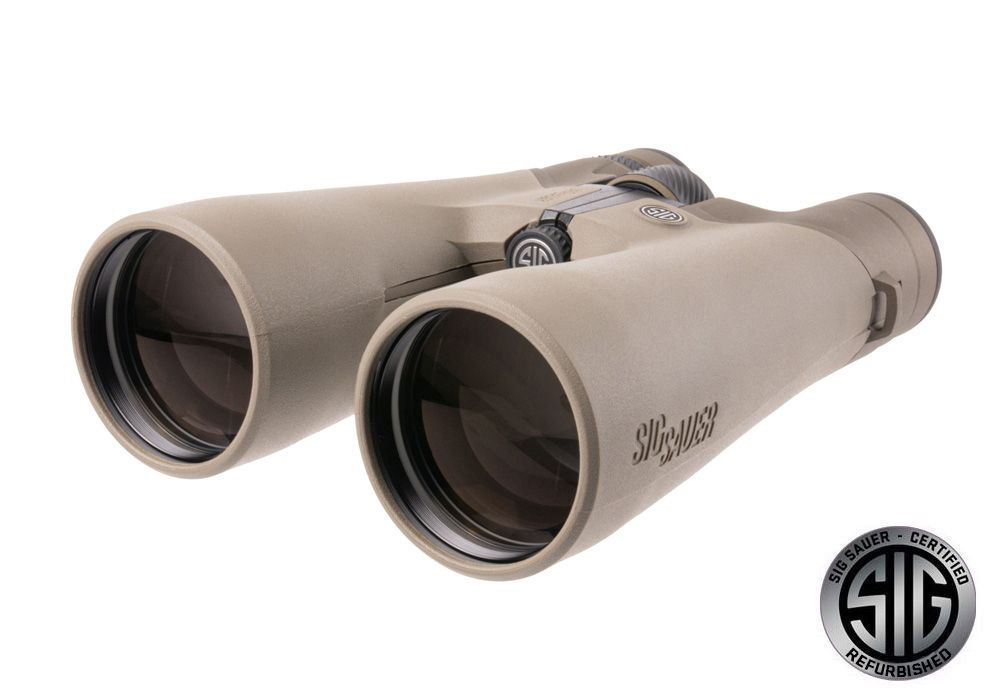
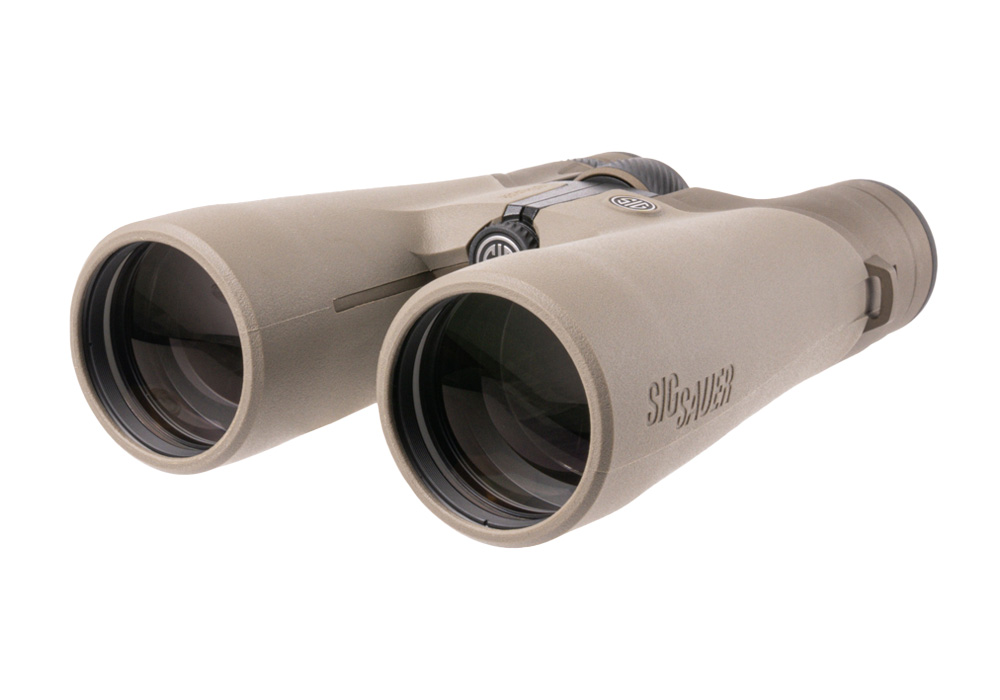
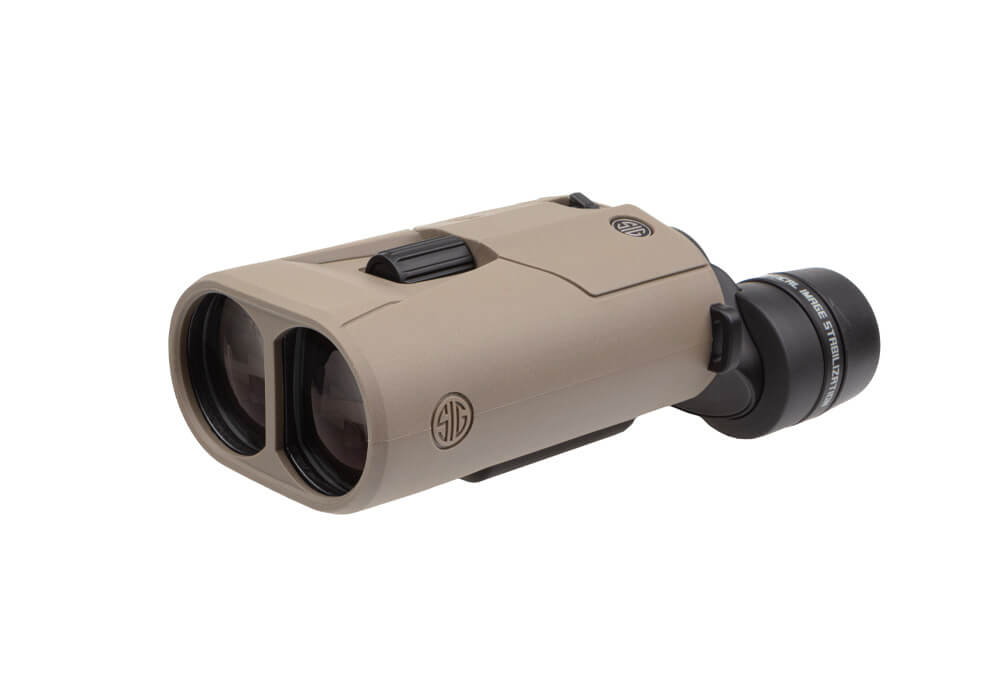
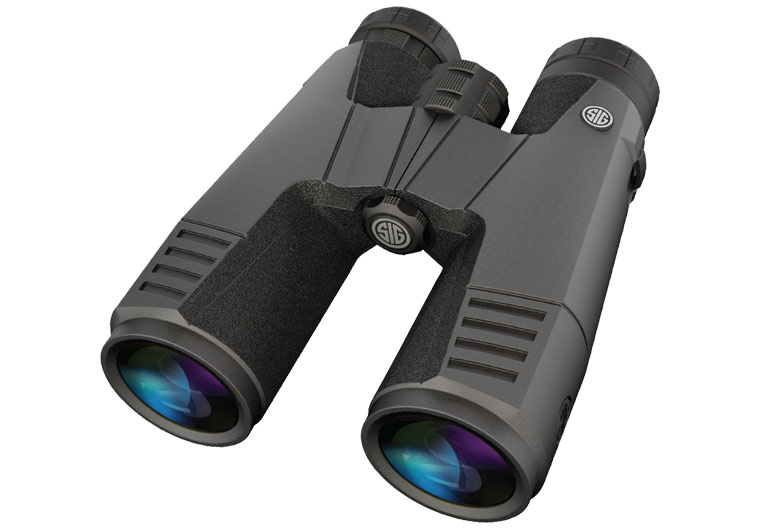
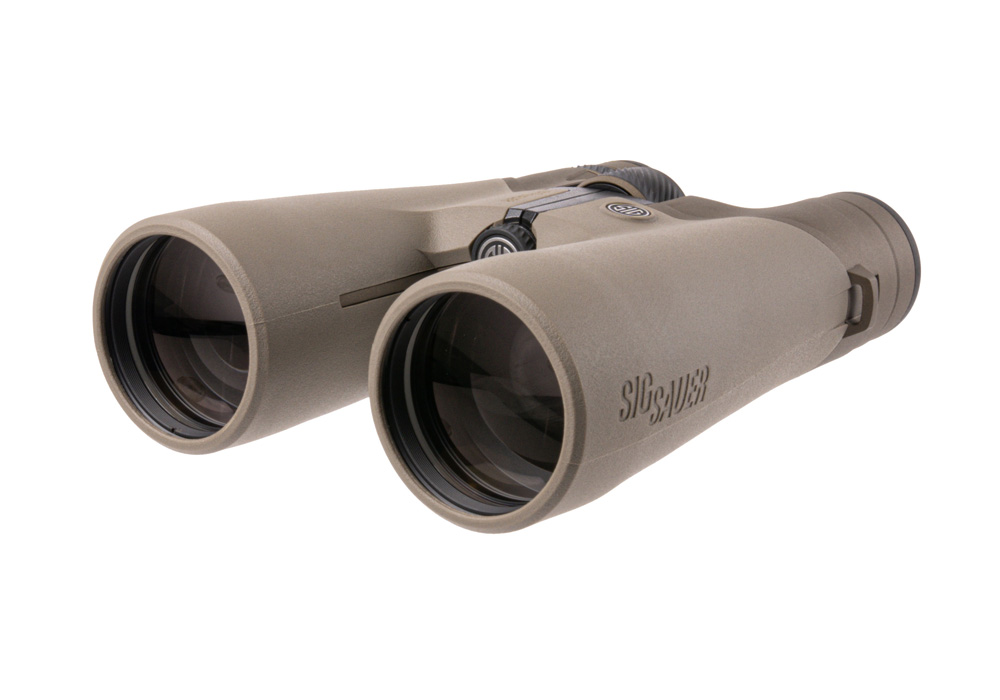
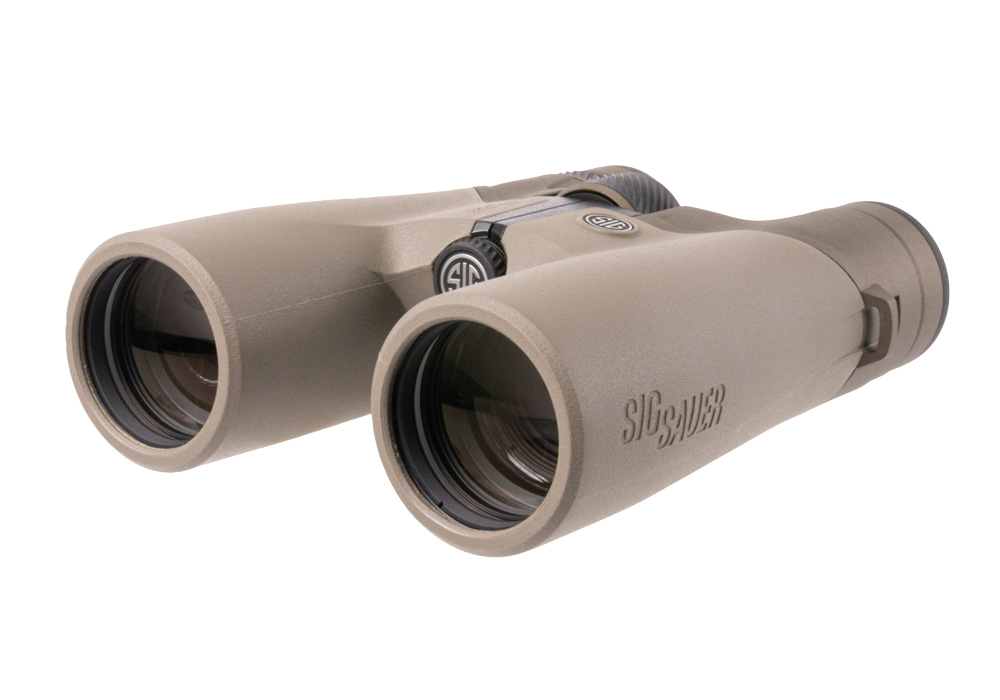
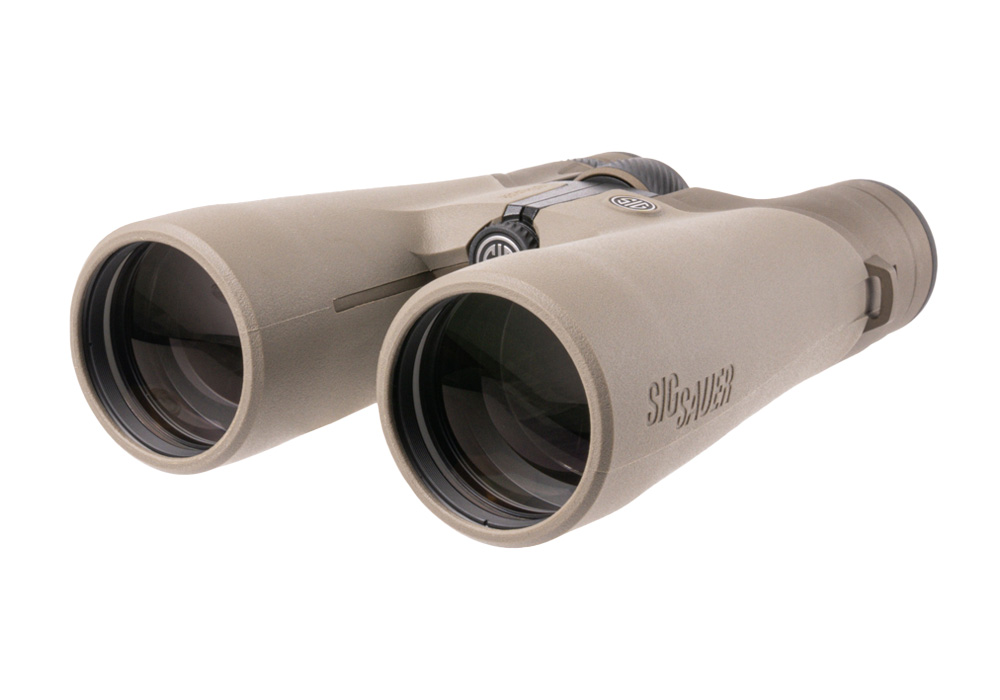
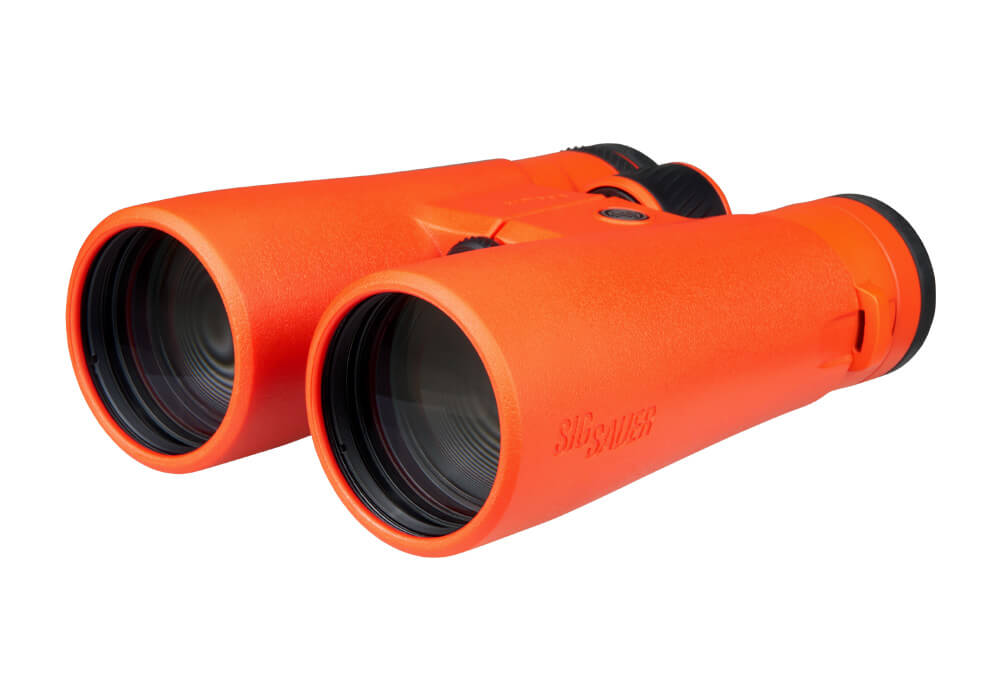
Zoom binoculars give observers a flexible way to move from a broad view to a closer look without carrying multiple optical instruments. Their variable magnification range, such as 8-24x, 10-30x, or a similar configuration, allows a wide scene to be scanned at a lower setting before a distant subject is brought nearer through the eyepieces. That versatility can be useful at sporting events, wildlife areas, outdoor concerts, scenic overlooks, and open-country travel, where the ideal viewing distance can change from one moment to the next. A lower setting generally offers a wider field of view and a steadier image, which helps when locating a moving bird, following an athlete, or surveying a ridgeline. Increasing the magnification can reveal details on a far-off subject, from the pattern on a bird’s feathers to the shape of a sail across the water, though the narrower view requires more careful aiming. Zoom binoculars can be an appealing gift for a traveler, nature enthusiast, sports fan, or anyone who enjoys keeping an optical instrument close at hand. They are also practical for families who want a shared pair for hikes and sightseeing, since the variable range can accommodate several kinds of outdoor viewing. For a broader selection of traditional fixed-power options, shoppers may also explore 10x Binoculars, which offer a consistent magnification that many users appreciate for quick, steady observation.
Choosing the right zoom binoculars starts with the activity, viewing conditions, and level of portability involved. Compact models are convenient for travel, day hikes, and events where space is limited, while full-size binoculars often provide larger objective lenses that gather more light and create a brighter view in shaded landscapes or during the cooler, dimmer parts of the day. Larger lenses can add weight, so it is worth considering how long the binoculars will be carried around the neck or held in the hands. A rubber-armored exterior can provide a secure grip in changing weather, and weather-resistant construction is useful when viewing near the coast, on a trail, or from an exposed stadium seat. Look for comfortable eye relief, especially if glasses are worn, along with a smooth central focus wheel and a zoom control that can be adjusted without losing the subject. A diopter adjustment helps balance the view between the eyes, while a well-shaped eyecup can improve comfort during extended observation. Optical quality matters at every magnification, but it becomes especially noticeable toward the upper end of the range. At greater power, the field of view becomes narrower, hand movement is more apparent, and the image may appear less bright or less crisp. These are normal trade-offs of variable magnification, not necessarily signs of a poor choice. A pair that feels balanced, focuses smoothly, and remains comfortable at its lower and middle settings may prove more useful than one selected only for its highest number.
Steady technique plays an important role in getting the clearest view from zoom binoculars. Begin at the lowest magnification, locate the subject, and then increase the power gradually while keeping both elbows close to the body. Resting against a railing, tree, vehicle, or viewing bench can reduce shaking, and a tripod adapter is worth considering for extended observation at the highest settings. A tripod can be particularly helpful for wildlife watching, distant landscape study, astronomy, and any situation in which the binoculars will remain aimed at one area for several minutes. Before heading outside, adjust the eyepieces in daylight and practice moving from the wide view to the closer view so the controls become familiar. For birdwatching, a lower setting often makes it easier to follow quick movement through branches, while a higher setting can help examine a stationary bird once it has been located. At sporting events, variable power can shift from viewing the full field to watching action at the far end of the venue. During travel, zoom binoculars can reveal architectural details, distant boats, mountain contours, or wildlife along a quiet road without requiring a separate telephoto instrument. Stargazers may enjoy the ability to survey a broad portion of the night sky and then focus on a brighter target, although stable support becomes increasingly valuable as magnification rises. Store binoculars in a protective case, keep the lenses covered when not in use, and clean them with suitable optical materials rather than household cloths. With thoughtful selection and steady handling, zoom binoculars can become a dependable companion for outdoor discovery through changing weather and across many seasons.